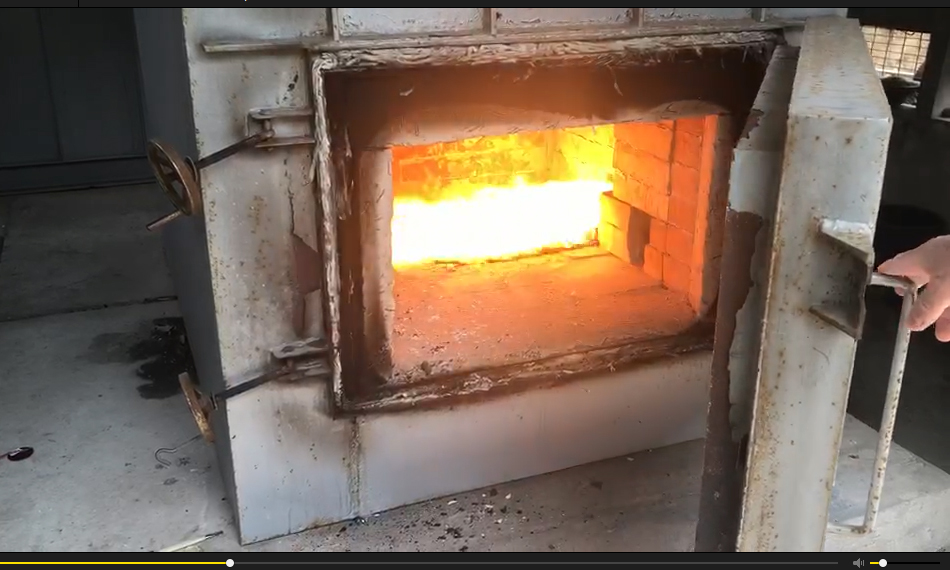
| Smoke Filter Chamber |
Dry Scrubber |
Dry Scrubber |
Dry Scrubber |
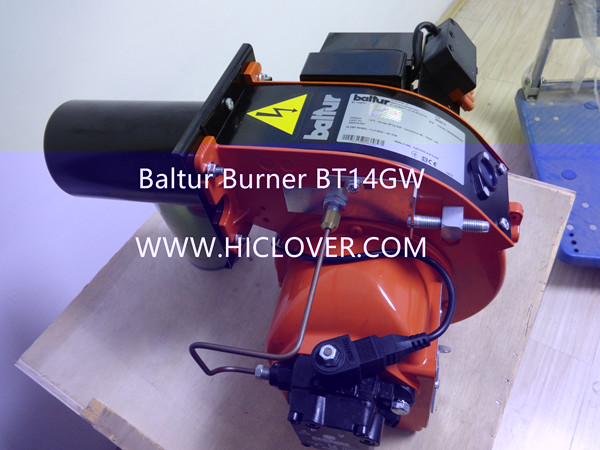
Baltur Burner BT14GW for waste incinerator spare parts oil burner,
almost for incinerator capacity 50/100/150kgs per hour.
7.5-14.5kgs per hour
diesel oil fuel
0.13Kw
16kgs per set
Tel: +86-25-8461 0201
| Items/Model |
TS10(PLC) |
TS20(PLC) |
TS30(PLC) |
TS50(PLC) |
| Burn Rate (Average) |
10 kg/hour |
20 kg/hour |
30 kg/hour |
50 kg/hour |
| Control Mode |
PLC Auto. |
PLC Auto. |
PLC Auto. |
PLC Auto. |
| Combustion Chamber |
100L |
210L |
330L |
560L |
| Internal Dimensions |
50x50x40cm |
65x65x50cm |
75x75x60cm |
100x80x70cm |
| Secondary Chamber |
50L |
110L |
180L |
280L |
| Smoke Filter Chamber |
Dry Scrubber |
Dry Scrubber |
Dry Scrubber |
Dry Scrubber |
| Feed Mode |
Manual |
Manual |
Manual |
Manual |
| Voltage |
220V |
220V |
220V |
220V |
| Power |
0.75Kw |
0.83Kw |
0.99Kw |
1.2Kw |
| Diesel Oil Consumption (kg/hour) |
Ave.8.4 |
Ave.10.9 |
Ave.13.3 |
Ave.16.9 |
| Natural Gas Consumption (m3n/hour) |
Ave.10.1 |
Ave.13 |
Ave.16 |
Ave.20.2 |
| Temperature Monitor |
Yes |
Yes |
Yes |
Yes |
| Temperature Protection |
Yes |
Yes |
Yes |
Yes |
| Items/Model |
TS100(PLC) |
TS150(PLC) |
TS300(PLC) |
TS500(PLC) |
| Burn Rate (Average) |
100 kg/hour |
150 kg/hour |
300 kg/hour |
500 kg/hour |
| Control Mode |
PLC Auto. |
PLC Auto. |
PLC Auto. |
PLC Auto. |
| Combustion Chamber |
1200L |
1500L |
2000L |
3000L |
| Internal Dimensions |
120x100x100cm |
150x100x100cm |
170x120x100cm |
210x120x120cm |
| Secondary Chamber |
600L |
750L |
1000L |
1500L |
| Smoke Filter Chamber |
Dry Scrubber |
Dry Scrubber |
Dry Scrubber |
Dry Scrubber |
| Feed Mode |
Manual |
Manual |
Manual |
Manual |
| Voltage |
220V |
220V |
220V |
220V |
| Power |
1.38Kw |
1.69Kw |
2.57Kw |
4.88Kw |
| Diesel Oil Consumption (kg/hour) |
Ave.20.4 |
Ave.24.2 |
Ave.33 |
Ave.44 |
| Natural Gas Consumption (m3n/hour) |
Ave.24.5 |
Ave.29 |
Ave.39.6 |
Ave.52.8 |
| Temperature Monitor |
Yes |
Yes |
Yes |
Yes |
| Temperature Protection |
Yes |
Yes |
Yes |
Yes |
Advantages of Waste Incineration
Decreases Quantity of Waste. …
Efficient Waste Management. …
Production of Heat and Power. …
Reduction of Pollution. …
Incinerators Have Filters For Trapping Pollutants. …
Saves on Transportation of Waste. …
Provides Better Control Over Odor and Noise. …
Prevents the Production of Methane Gas.
| Incinerator Items/Model |
TS20(PLC) |
TS30(PLC) |
| Burn Rate (Average) |
20-30 kg/hour |
30-50 kg/hour |
| Feed Capacity(Average) |
40kg/feeding |
60kg/feeding |
| Control Mode |
PLC Automatic |
PLC Automatic |
| 1st. Chamber Composition Hot Face |
Thickness: ≥115 mm |
Thickness: ≥115 mm |
| 55% of Al203 |
55% of Al203 |
| 1750°C Grade |
1750°C Grade |
| 2nd. Chamber Composition Hot Face |
Thickness: ≥200 mm |
Thickness: ≥200 mm |
| 75% of Al203 |
75% of Al203 |
| 1790°C Grade |
1790°C Grade |
| Chamber Cold Face Material |
High Rate Refractory Ceramic Fiber |
High Rate Refractory Ceramic Fiber |
| Other Parts Hot Face Refractory |
Heavy Duty with steel fiber |
Heavy Duty with steel fiber |
| Burner operation |
Automatic On/Off |
Automatic On/Off |
| Dry Scrubber |
Including |
Including |
| Wet Scrubber |
Optional |
Optional |
| Top Loading Door |
Optional |
Optional |
| Paint for outside face |
250°C Grade |
250°C Grade |
| Sealing Material |
Refractory Ceramic Fiber |
Refractory Ceramic Fiber |
| Upgrade Containerized Mobile Type |
Optional |
Optional |
| CE Certificate |
CE(2006/42/EC,2014/30/EU |
CE(2006/42/EC,2014/30/EU |
| ISO Certificate |
ISO9001:2015 |
ISO9001:2015 |
| High-tech Enterprise Certificate |
Yes |
Yes |
What is the importance of incineration?
Incineration is widely used to reduce the volume of municipal solid waste, to
reduce the potential infectious properties and volume of medical waste, and to
reduce the potential toxicity and volume of hazardous chemical and biological waste.
Tel: +86-25-8461 0201
plastic incineration process
nanjing clover medical technology co ltd
electic diesel incinerator
which chinese company’s are into waste management systems
how incinerators work
recycling rubbish plant

| Items/Model |
TS10(PLC) |
TS20(PLC) |
TS30(PLC) |
TS50(PLC) |
| Burn Rate (Average) |
10 kg/hour |
20 kg/hour |
30 kg/hour |
50 kg/hour |
| Control Mode |
PLC Auto. |
PLC Auto. |
PLC Auto. |
PLC Auto. |
| Combustion Chamber |
100L |
210L |
330L |
560L |
| Internal Dimensions |
50x50x40cm |
65x65x50cm |
75x75x60cm |
100x80x70cm |
| Secondary Chamber |
50L |
110L |
180L |
280L |
| Smoke Filter Chamber |
Dry Scrubber |
Dry Scrubber |
Dry Scrubber |
Dry Scrubber |
| Feed Mode |
Manual |
Manual |
Manual |
Manual |
| Voltage |
220V |
220V |
220V |
220V |
| Power |
0.75Kw |
0.83Kw |
0.99Kw |
1.2Kw |
| Diesel Oil Consumption (kg/hour) |
Ave.8.4 |
Ave.10.9 |
Ave.13.3 |
Ave.16.9 |
| Natural Gas Consumption (m3n/hour) |
Ave.10.1 |
Ave.13 |
Ave.16 |
Ave.20.2 |
| Temperature Monitor |
Yes |
Yes |
Yes |
Yes |
| Temperature Protection |
Yes |
Yes |
Yes |
Yes |
| Items/Model |
TS100(PLC) |
TS150(PLC) |
TS300(PLC) |
TS500(PLC) |
| Burn Rate (Average) |
100 kg/hour |
150 kg/hour |
300 kg/hour |
500 kg/hour |
| Control Mode |
PLC Auto. |
PLC Auto. |
PLC Auto. |
PLC Auto. |
| Combustion Chamber |
1200L |
1500L |
2000L |
3000L |
| Internal Dimensions |
120x100x100cm |
150x100x100cm |
170x120x100cm |
210x120x120cm |
| Secondary Chamber |
600L |
750L |
1000L |
1500L |
| Smoke Filter Chamber |
Dry Scrubber |
Dry Scrubber |
Dry Scrubber |
Dry Scrubber |
| Feed Mode |
Manual |
Manual |
Manual |
Manual |
| Voltage |
220V |
220V |
220V |
220V |
| Power |
1.38Kw |
1.69Kw |
2.57Kw |
4.88Kw |
| Diesel Oil Consumption (kg/hour) |
Ave.20.4 |
Ave.24.2 |
Ave.33 |
Ave.44 |
| Natural Gas Consumption (m3n/hour) |
Ave.24.5 |
Ave.29 |
Ave.39.6 |
Ave.52.8 |
| Temperature Monitor |
Yes |
Yes |
Yes |
Yes |
| Temperature Protection |
Yes |
Yes |
Yes |
Yes |
The control system shall include an electronic performance monitoring and logging
system. The system shall be capable of monitoring and logging chamber temperatures
at regular intervals (not less than once per minute, with the capacity to vary the logging
frequency). The system shall include the capacity to download the performance data by
USB connection.
All the measuring devices attached with the incinerator should have digital display
and should have provision of connecting to the recording system, which should include
fuel meter and separate energy meter.
The temperature shall be determined against the inside wall of the combustion
chambers. An audible and visible alarm shall be installed to warn the operator when
the secondary temperature drops to below the required temperature.
The primary chamber must meet or exceed the following criteria:
“• Heavy steel construction.
thermocouple
• temperature gauge
• fire rope
• burner
• induction air fan
• digital temperature display panel”
Optional maintenance service The contractor shall deploy an expert, fully equipped
with all required tools and equipment, to the client to provide maintenance service of the
installed waste incinerators, including all the parts and components (e.g., burners,
ignitors, temperature gauges) when required.
4.5.1 The goods, including all packaging and packing thereof, conform to the
specifications of the Contract, are fit for the purposes for which such goods are
ordinarily used and for any purposes expressly made known in writing in the Contract,
and shall be of even quality, free from faults and defects in design, material,
manufacturer and workmanship;
4.5.2 If the Contractor is not the original manufacturer of the goods, the
Contractor shall provide UNOPS with the benefit of all manufacturers’
warranties in addition to any other warranties required to be provided under the Contract;
4.5.3 The goods are of the quality, quantity and description required by the
Contract, including when subjected to conditions prevailing in the place of final destination;
The goods are free from any right of claim by any third-party, including claims
of infringement of any 4.5.4intellectual property rights, including, but not limited
to, patents, copyright and trade secrets;
4.5.5 The goods are new and unused;
4.5.6 All warranties will remain fully valid following any delivery of the goods
and for a period of not less than one (1) year following acceptance of the goods
by UNOPS in accordance with the Contract;
4.5.7 During any period in which the Contractor’s warranties are effective,
upon notice by UNOPS that the goods do not conform to the requirements
of the Contract, the Contractor shall promptly and at its own expense correct
such non-conformities or, in case of its inability to do so, replace the defective
goods with goods of the same or better quality or, at its own cost, remove the
defective goods and fully reimburse UNOPS for the purchase price paid for
the defective goods; and,
4.5.8 The Contractor shall remain responsive to the needs of UNOPS for any
services that may be required in connection with any of the Contractor’s
warranties under the Contract.
What is incineration and why it is useful?
Incineration is also called as combustion. … Important use of incineration is that it reduces volume of
waste by 20-30% of original volume. This process is also known as thermal treatment where solid waste materials are
converted by Incinerators into heat, gas, steam and ash.
Do all hospitals have incinerators?
Two common methods of disposing of hospital-generated medical waste include incineration or autoclaving. Incineration is a process that burns medical
waste in a controlled environment. Some hospitals have on-site incineration technology and equipment available.
How do hospitals dispose of placentas?
Hospitals treat placentas as medical waste or biohazard material. The newborn placenta is placed in a
biohazard bag for storage. … Once the hospital is done with the placenta, it is put on a truck with all the
other medical waste accumulated at the hospital for proper disposal

incineration of sewage sludge
possible solution to get rid of medical waste in oman
irradiation of medical waste
incinerator repair and service
household waste incinerators in india
explanation on incineration in health centre
ensnertor technician
Nanjing Clover Medical Technology Co.,Ltd.
| Items/Model |
TS10(PLC) |
TS20(PLC) |
TS30(PLC) |
TS50(PLC) |
| Burn Rate (Average) |
10-20 kg/hour |
20-30 kg/hour |
30-50 kg/hour |
50-100 kg/hour |
| Control Mode |
PLC Auto. |
PLC Auto. |
PLC Auto. |
PLC Auto. |
| Combustion Chamber |
100L |
210L |
330L |
560L |
| Internal Dimensions |
50x50x40cm |
65x65x50cm |
75x75x60cm |
100x80x70cm |
| Secondary Chamber |
50L |
110L |
180L |
280L |
| Smoke Filter Chamber |
Dry Scrubber |
Dry Scrubber |
Dry Scrubber |
Dry Scrubber |
| Feed Mode |
Manual |
Manual |
Manual |
Manual |
| Voltage |
220V |
220V |
220V |
220V |
| Power |
0.75Kw |
0.83Kw |
0.99Kw |
1.2Kw |
| Diesel Oil Consumption (kg/hour) |
Ave.8.4 |
Ave.10.9 |
Ave.13.3 |
Ave.16.9 |
| Natural Gas Consumption (m3n/hour) |
Ave.10.1 |
Ave.13 |
Ave.16 |
Ave.20.2 |
| Temperature Monitor |
Yes |
Yes |
Yes |
Yes |
| Temperature Protection |
Yes |
Yes |
Yes |
Yes |
| Items/Model |
TS100(PLC) |
TS150(PLC) |
TS300(PLC) |
TS500(PLC) |
| Burn Rate (Average) |
100-150 kg/hour |
150-200 kg/hour |
300-400 kg/hour |
500-600 kg/hour |
| Control Mode |
PLC Auto. |
PLC Auto. |
PLC Auto. |
PLC Auto. |
| Combustion Chamber |
1200L |
1500L |
2000L |
3000L |
| Internal Dimensions |
120x100x100cm |
150x100x100cm |
170x120x100cm |
210x120x120cm |
| Secondary Chamber |
600L |
750L |
1000L |
1500L |
| Smoke Filter Chamber |
Dry Scrubber |
Dry Scrubber |
Dry Scrubber |
Dry Scrubber |
| Feed Mode |
Manual |
Manual |
Manual |
Manual |
| Voltage |
220V |
220V |
220V |
220V |
| Power |
1.38Kw |
1.69Kw |
2.57Kw |
4.88Kw |
| Diesel Oil Consumption (kg/hour) |
Ave.20.4 |
Ave.24.2 |
Ave.33 |
Ave.44 |
| Natural Gas Consumption (m3n/hour) |
Ave.24.5 |
Ave.29 |
Ave.39.6 |
Ave.52.8 |
| Temperature Monitor |
Yes |
Yes |
Yes |
Yes |
| Temperature Protection |
Yes |
Yes |
Yes |
Yes |
The Contractor shall deploy an expert incinerator operator, fully equipped with all required tools and equipment, to support the client in un-packing, installation, and commissioning of the different sizes of incinerator units.
The operator will be provided on a day-rate reimbursable basis. The bidder must specify the minimum scope of work in terms of operator working days and travel days.
Rates for these to be provided on the financial offer form.
All associated fittings and connections to enable full functionality shall be completed by the bidder in line with the manufacturer’s
instructions; including but not limited to piping, electrical and stack connections, foundations, anchorage to foundations, etc., as applicable
“Handover of the unit
The Contractor shall hand over ownership and control of each size of unit to the client after the first 5 days of supervised operation.
The handover process shall include a detailed inspection and completion of a checklist and statement of operability.
”
“Decommissioning, overhaul and repacking of the unit
Based upon a potential need for an incinerator unit to be moved to a new location the contractor will outline the key steps through a
clear written procedure and direct demonstration by the contracted operator for the decommissioning and repacking of the units, so this can be achieved.


HICLOVER Solution for Fighting COVID-19, with ISO9001/CE Certification.
Medical Waste Incinerator & Auto Roll Air Filter(Air Purification)
Mobile: +86-138139 31455(WhatsApp)
What are the objectives of incineration?
Incineration plants produce heat and power from waste, reduce waste disposal to landfills, and discharge
harmful emissions and bottom ash. The objective of the incineration plant is to maximize desirable outputs
(heat and power) and minimize undesirable outputs (emissions and bottom ash).
What is incinerators used in hospitals?
Medical incinerators are designed safely to dispose of harmful materials at high temperatures. The process
ensures no harmful gases are released into the environment. Medical waste incinerators have scrubbers to
clean the polluted gases and other particulate matter.
Which is better landfill or incineration?
Its director Jacob Hayler told us: “It is better to recover energy from non-recyclable waste through (incineration), than send it to landfill.” … Mr Hayler says that overall greenhouse
gas emissions from incineration are lower than from landfill.
How does incineration affect our environment?
Pollutants emitted by incinerators that appear to have the potential to cause the largest health effects are
particulate matter, lead, mercury, and dioxins and furans. However, there is wide variation in the contributions
that incinerators can make to environmental concentrations of those contaminants.

Nanjing Clover Medical Technology Co.,Ltd.
temperature required for body parts incineration
incinerator for clinical
methods of waste management
haat incinerator india
contact number for hazardous waste management companies in kumasi
https www pvc org en p pvc incineration dioxins
disposal of clinical waste
Suitably designed pollution control devices such as scrubbers, filters or electrostatic precipitators, shall be
installed/retrofitted with the incinerator to achieve emission limits.”
“Each unit shall include a complete vertical exhaust and stack system, including the following features:
• Steel construction.
• Refractory lining in the lower section.
• The exit height of the stack shall be not less than a range of 3-12 metres above ground level depending on
the capacity of the incinerator unit.
• The diameter of the stack shall be selected by the Contractor to deliver an exhaust exit velocity of not less
than 10 metres per second vertically upwards when at full scale operation.
• An emission stack sampling port shall be included immediately above the secondary chamber.
| Items/Model |
TS10(PLC) |
TS20(PLC) |
TS30(PLC) |
TS50(PLC) |
| Burn Rate (Average) |
10-20 kg/hour |
20-30 kg/hour |
30-50 kg/hour |
50-100 kg/hour |
| Control Mode |
PLC Auto. |
PLC Auto. |
PLC Auto. |
PLC Auto. |
| Combustion Chamber |
100L |
210L |
330L |
560L |
| Internal Dimensions |
50x50x40cm |
65x65x50cm |
75x75x60cm |
100x80x70cm |
| Secondary Chamber |
50L |
110L |
180L |
280L |
| Smoke Filter Chamber |
Dry Scrubber |
Dry Scrubber |
Dry Scrubber |
Dry Scrubber |
| Feed Mode |
Manual |
Manual |
Manual |
Manual |
| Voltage |
220V |
220V |
220V |
220V |
| Power |
0.75Kw |
0.83Kw |
0.99Kw |
1.2Kw |
| Diesel Oil Consumption (kg/hour) |
Ave.8.4 |
Ave.10.9 |
Ave.13.3 |
Ave.16.9 |
| Natural Gas Consumption (m3n/hour) |
Ave.10.1 |
Ave.13 |
Ave.16 |
Ave.20.2 |
| Temperature Monitor |
Yes |
Yes |
Yes |
Yes |
| Temperature Protection |
Yes |
Yes |
Yes |
Yes |
| Items/Model |
TS100(PLC) |
TS150(PLC) |
TS300(PLC) |
TS500(PLC) |
| Burn Rate (Average) |
100-150 kg/hour |
150-200 kg/hour |
300-400 kg/hour |
500-600 kg/hour |
| Control Mode |
PLC Auto. |
PLC Auto. |
PLC Auto. |
PLC Auto. |
| Combustion Chamber |
1200L |
1500L |
2000L |
3000L |
| Internal Dimensions |
120x100x100cm |
150x100x100cm |
170x120x100cm |
210x120x120cm |
| Secondary Chamber |
600L |
750L |
1000L |
1500L |
| Smoke Filter Chamber |
Dry Scrubber |
Dry Scrubber |
Dry Scrubber |
Dry Scrubber |
| Feed Mode |
Manual |
Manual |
Manual |
Manual |
| Voltage |
220V |
220V |
220V |
220V |
| Power |
1.38Kw |
1.69Kw |
2.57Kw |
4.88Kw |
| Diesel Oil Consumption (kg/hour) |
Ave.20.4 |
Ave.24.2 |
Ave.33 |
Ave.44 |
| Natural Gas Consumption (m3n/hour) |
Ave.
24.5 |
Ave.29 |
Ave.39.6 |
Ave.52.8 |
| Temperature Monitor |
Yes |
Yes |
Yes |
Yes |
| Temperature Protection |
Yes |
Yes |
Yes |
Yes |
4.5.2 If the Contractor is not the original manufacturer of the goods, the Contractor shall provide UNOPS with the benefit of
all manufacturers’ warranties in addition to any other warranties required to be provided under the Contract;
4.5.3 The goods are of the quality, quantity and description required by the Contract, including when subjected to conditions
prevailing in the place of final destination;
The goods are free from any right of claim by any third-party, including claims of infringement of any 4.5.4intellectual property
rights, including, but not limited to, patents, copyright and trade secrets;
4.5.5 The goods are new and unused;
4.5.6 All warranties will remain fully valid following any delivery of the goods and for a period of not less than one (1) year following
acceptance of the goods by UNOPS in accordance with the Contract;
4.5.7 During any period in which the Contractor’s warranties are effective, upon notice by UNOPS that the goods do not conform to
he requirements of the Contract, the Contractor shall promptly and at its own expense correct such non-conformities or, in case of its inability to do so, replace the defective goods with goods of the same or better quality or, at its own
cost, remove the defective goods and fully reimburse UNOPS for the purchase price paid for the defective goods; and,
4.5.8 The Contractor shall remain responsive to the needs of UNOPS for any services that may be required in connection
with any of the Contractor’s warranties under the Contract.

HICLOVER Solution for Fighting COVID-19, with ISO9001/CE Certification.
Medical Waste Incinerator & Auto Roll Air Filter(Air Purification)
Mobile: +86-138139 31455(WhatsApp)
What is the main advantage of incineration?
Incineration plays a vital role in making waste management easier and more efficient.
Incineration can burn up to 90% of the total waste generated and sometimes even more. However,
landfills only allow organic decomposition without making much difference, and non-organic waste keeps accumulating.
What materials can be incinerated?
A material commonly associated with waste incineration is municipal solid waste (MSW).
This type of waste is typically general waste such as household waste, food waste, cardboard,
and paper. All of these are safe to incinerate.
What are the types of waste?
There are 5 types of waste, do you know them all?
Liquid Waste. Liquid waste is commonly found both in households as well as in industries. …
Solid Rubbish. Solid rubbish can include a variety of items found in your household along with
commercial and industrial locations. …
Organic Waste. …
Recyclable Rubbish. …
Hazardous Waste.
Which waste is highly infectious?
Infectious waste: waste contaminated with blood and other bodily fluids (e.g. from discarded
diagnostic samples), cultures and stocks of infectious agents from laboratory work (e.g. waste from
autopsies and infected animals from laboratories), or waste from patients with infections (e.g. swabs,
bandages and disposable
waste management disposal pit latrine incinerators and rubbish pit
electrial incnirator for hospital waste
incinerators for corpse
incenerators for sale
inciratorमीन्स इन हिंदी
waste incinerator
incineration cost quantities
what is incineration of waste
safety waste incinerator
Nanjing Clover Medical Technology Co.,Ltd.
| Items/Model |
TS10(PLC) |
TS20(PLC) |
TS30(PLC) |
TS50(PLC) |
| Burn Rate (Average) |
10-20 kg/hour |
20-30 kg/hour |
30-50 kg/hour |
50-100 kg/hour |
| Control Mode |
PLC Auto. |
PLC Auto. |
PLC Auto. |
PLC Auto. |
| Combustion Chamber |
100L |
210L |
330L |
560L |
| Internal Dimensions |
50x50x40cm |
65x65x50cm |
75x75x60cm |
100x80x70cm |
| Secondary Chamber |
50L |
110L |
180L |
280L |
| Smoke Filter Chamber |
Dry Scrubber |
Dry Scrubber |
Dry Scrubber |
Dry Scrubber |
| Feed Mode |
Manual |
Manual |
Manual |
Manual |
| Voltage |
220V |
220V |
220V |
220V |
| Power |
0.75Kw |
0.83Kw |
0.99Kw |
1.2Kw |
| Diesel Oil Consumption (kg/hour) |
Ave.8.4 |
Ave.10.9 |
Ave.13.3 |
Ave.16.9 |
| Natural Gas Consumption (m3n/hour) |
Ave.10.1 |
Ave.13 |
Ave.16 |
Ave.20.2 |
| Temperature Monitor |
Yes |
Yes |
Yes |
Yes |
| Temperature Protection |
Yes |
Yes |
Yes |
Yes |
| Items/Model |
TS100(PLC) |
TS150(PLC) |
TS300(PLC) |
TS500(PLC) |
| Burn Rate (Average) |
100-150 kg/hour |
150-200 kg/hour |
300-400 kg/hour |
500-600 kg/hour |
| Control Mode |
PLC Auto. |
PLC Auto. |
PLC Auto. |
PLC Auto. |
| Combustion Chamber |
1200L |
1500L |
2000L |
3000L |
| Internal Dimensions |
120x100x100cm |
150x100x100cm |
170x120x100cm |
210x120x120cm |
| Secondary Chamber |
600L |
750L |
1000L |
1500L |
| Smoke Filter Chamber |
Dry Scrubber |
Dry Scrubber |
Dry Scrubber |
Dry Scrubber |
| Feed Mode |
Manual |
Manual |
Manual |
Manual |
| Voltage |
220V |
220V |
220V |
220V |
| Power |
1.38Kw |
1.69Kw |
2.57Kw |
4.88Kw |
| Diesel Oil Consumption (kg/hour) |
Ave.20.4 |
Ave.24.2 |
Ave.33 |
Ave.44 |
| Natural Gas Consumption (m3n/hour) |
Ave.24.5 |
Ave.29 |
Ave.39.6 |
Ave.52.8 |
| Temperature Monitor |
Yes |
Yes |
Yes |
Yes |
| Temperature Protection |
Yes |
Yes |
Yes |
Yes |
The secondary chamber must comply with the following minimum criteria:
“• Heavy steel construction
• An excess air and high temperature operational mode.
• Sufficient size and appropriate geometry to achieve a gas temperature of at least 1000 Celsius for
a retention time of at least 2 seconds when pre-heated and correctly operated.
• Sufficient forced air inflow and airflow and fuel supply controls to ensure an exhaust gas oxygen
content range of 6-12% at all times.
• Hot face refractory concrete-ceramic suitable for thermal shock up to 1400 Celsius and abrasion.
Minimum thickness 150mm.
• Cold face refractory lining of calcium silicate or superior material, minimum thickness 100mm.
• Refractory lining of all the ducts shall be done with refractory castings. Superior quality ceramic
wool shall be used at all hot duct flanges and expansion joints
• An electrically powered fan forced air supply, with the capacity for variation by the operator.
• One or more fuel burners designed to use diesel fuel type 2 (vehicle standard) equipped with a spark igniter.
• A digital thermometer with connected to an electronic datalogger. The thermometer shall be
located on the chamber wall away from the fuel burner.

HICLOVER Solution for Fighting COVID-19, with ISO9001/CE Certification.
Medical Waste Incinerator & Auto Roll Air Filter(Air Purification)
Mobile: +86-138139 31455(WhatsApp)
What is called incineration?
Incineration is a waste treatment process that involves the combustion of substances contained in
waste materials. Industrial plants for waste incineration are commonly referred to as waste-to-energy facilities. … Incineration of waste materials converts the waste into ash, flue gas and heat.
What is incineration waste management?
In its most basic form, it is the destruction of something, especially waste material, by burning.
Incineration is a thermo-decomposition process where the components present in the waste stream are ionized into
harmless elements at a higher temperature in the presence of oxygen.
What type of waste is incinerated?
In incineration applications, the fuel is predominately waste (although fossil fuels may be co-fired) and the oxygen source is air. Combustion produces many of the same stable end products,
whether the material burned is natural gas, coal, wood, gasoline, municipal solid waste, hazardous waste,
or medical waste.
Which is an example of incineration?
For example, hospitals and research facilities generally use incinerators to dispose of biological tissues,
blood-contaminated materials, and other medical wastes such as disposable hypodermic needles and tubing.
Are incinerators safe?
What’s more, incinerators release more toxic pollution than coal-fired power plants per unit of energy.
To make the same amount of energy as a coal power plant,
waste incinerators release: 28 times as much dioxin (a known carcinogen); 5 times as much carbon
monoxide (a poisonous gas known as the “silent killer”);
Nanjing Clover Medical Technology Co.,Ltd.
| Items/Model |
TS10(PLC) |
TS20(PLC) |
TS30(PLC) |
TS50(PLC) |
| Burn Rate (Average) |
10-20 kg/hour |
20-30 kg/hour |
30-50 kg/hour |
50-100 kg/hour |
| Control Mode |
PLC Auto. |
PLC Auto. |
PLC Auto. |
PLC Auto. |
| Combustion Chamber |
100L |
210L |
330L |
560L |
| Internal Dimensions |
50x50x40cm |
65x65x50cm |
75x75x60cm |
100x80x70cm |
| Secondary Chamber |
50L |
110L |
180L |
280L |
| Smoke Filter Chamber |
Dry Scrubber |
Dry Scrubber |
Dry Scrubber |
Dry Scrubber |
| Feed Mode |
Manual |
Manual |
Manual |
Manual |
| Voltage |
220V |
220V |
220V |
220V |
| Power |
0.75Kw |
0.83Kw |
0.99Kw |
1.2Kw |
| Diesel Oil Consumption (kg/hour) |
Ave.8.4 |
Ave.10.9 |
Ave.13.3 |
Ave.16.9 |
| Natural Gas Consumption (m3n/hour) |
Ave.10.1 |
Ave.13 |
Ave.16 |
Ave.20.2 |
| Temperature Monitor |
Yes |
Yes |
Yes |
Yes |
| Temperature Protection |
Yes |
Yes |
Yes |
Yes |
| Items/Model |
TS100(PLC) |
TS150(PLC) |
TS300(PLC) |
TS500(PLC) |
| Burn Rate (Average) |
100-150 kg/hour |
150-200 kg/hour |
300-400 kg/hour |
500-600 kg/hour |
| Control Mode |
PLC Auto. |
PLC Auto. |
PLC Auto. |
PLC Auto. |
| Combustion Chamber |
1200L |
1500L |
2000L |
3000L |
| Internal Dimensions |
120x100x100cm |
150x100x100cm |
170x120x100cm |
210x120x120cm |
| Secondary Chamber |
600L |
750L |
1000L |
1500L |
| Smoke Filter Chamber |
Dry Scrubber |
Dry Scrubber |
Dry Scrubber |
Dry Scrubber |
| Feed Mode |
Manual |
Manual |
<
td class=et10 style="FONT-SIZE: 12pt; BORDER-TOP: rgb(0,0,0) 0.5pt solid; FONT-FAMILY: 'Trebuchet MS'; BORDER-RIGHT: rgb(0,0,0) 0.5pt solid; VERTICAL-ALIGN: middle; WHITE-SPACE: nowrap; BORDER-BOTTOM: rgb(0,0,0) 0.5pt solid; TEXT-ALIGN: center; PADDING-TOP: 1px; PADDING-LEFT: 1px; BORDER-LEFT: rgb(0,0,0) 0.5pt solid; PADDING-RIGHT: 1px" x:str="">Manual
Manual |
| Voltage |
220V |
220V |
220V |
220V |
| Power |
1.38Kw |
1.69Kw |
2.57Kw |
4.88Kw |
| Diesel Oil Consumption (kg/hour) |
Ave.20.4 |
Ave.24.2 |
Ave.33 |
Ave.44 |
| Natural Gas Consumption (m3n/hour) |
Ave.24.5 |
Ave.29 |
Ave.39.6 |
Ave.52.8 |
| Temperature Monitor |
Yes |
Yes |
Yes |
Yes |
| Temperature Protection |
Yes |
Yes |
Yes |
Yes |
“The operator will proceed to undertake the following duties:
• Initial supervision of the operation of each type of incinerator on a full-time basis for 5 working days, observing and recording each unit’s performance.
Development of an operating protocol for the client’s nominated staff to use whilst operating the unit.
• Practical training of the client’s nominated personnel, in the operation and routine maintenance of the unit.
• Assessing the volume and types of waste awaiting incineration and developing an operating schedule for the client.
• All equipment manuals shall be provided in English and in French.
• Fixed hearth geometry and starved air gasification operational mode.
• Hot face refractory concrete-ceramic suitable for thermal shock up to 1400 Celsius and abrasion. Minimum thickness 150mm.
• Cold face refractory lining of calcium silicate or superior material, minimum thickness 100mm.
• Refractory lining of all the ducts shall be done with refractory castings. Superior quality ceramic wool shall be used at all hot duct flanges and expansion joints.
• Multiple electric ignition fuel burners designed to use automotive diesel fuel.
• Flame of the primary burner shall be oriented towards the center of the unit which does not impinge directly on the refractory floor or wall. The secondary burner shall be positioned in such a way that the flue gas passes through the flame.
• The unit shall prevent leakage of the hot flue gas and any backfire.
• An electrically powered fan forced air supply, with the capacity for variation by the operator.
• Digital thermometers connected to electronic dataloggers. The thermometers shall be located on the chamber walls away from the fuel burner.

HICLOVER Solution for Fighting COVID-19, with ISO9001/CE Certification.
Medical Waste Incinerator & Auto Roll Air Filter(Air Purification)
Mobile: +86-138139 31455(WhatsApp)
How much fuel does an incinerator use?
Most fuel-assisted incinerators with a capacity to destroy 100 to 150 kilograms of waste per day consume 5 to 8 liters per hour of fuel (4 to 6.5 kilograms of gas)
What are three disadvantages of incinerators?
Disadvantages of Waste Incineration
It is Expensive. The installation of an incineration plant is an expensive process. …
Pollutes the Environment. …
Damaging Public Health. …
The Possibility of Long-term Problems. …
Ash Waste Can Potentially Harm People and the Environment. …
Environmental Racism.
smart ash incinerator
incinerator
diesel incinerator south africa
package medical waste incinerator
How much does it cost to run an incinerator?
Cost of incineration plant by formula
According to the formula, the cost of a 40,000 tpa plant is $41 million, or $1,026 per ton of annual capacity. A Medium-sized 250,000 tpa plant should cost $169 million, or $680 per ton of annual capacity. These numbers give us the first estimation of how much waste-to-energy is.
How hot is an incinerator?
Thermal destruction of most organic compounds occurs between 590/C and 650/C (1100/F and 1200/F). Most hazardous waste incinerators are operated at 980/C to 1200/C (1800/F to 2200/F) to ensure nearly complete destruction of the organics in the waste (AWMA, 1992).
Why incinerators are the most expensive form of waste disposal?
Incineration is generally the most expensive form of waste disposal because incin- erators require a lot of energy to operate. Incinerators also need pollution-control devices and need to be carefully monitored so that hazardous gases and particles are not released into the air.
Nanjing Clover Medical Technology Co.,Ltd.
| Items/Model |
TS10(PLC) |
TS20(PLC) |
TS30(PLC) |
TS50(PLC) |
| Burn Rate (Average) |
10-20 kg/hour |
20-30 kg/hour |
30-50 kg/hour |
50-100 kg/hour |
| Control Mode |
PLC Auto. |
PLC Auto. |
PLC Auto. |
PLC Auto. |
| Combustion Chamber |
100L |
210L |
330L |
560L |
| Internal Dimensions |
50x50x40cm |
65x65x50cm |
75x75x60cm |
100x80x70cm |
| Secondary Chamber |
50L |
110L |
180L |
280L |
| Smoke Filter Chamber |
Dry Scrubber |
Dry Scrubber |
Dry Scrubber |
Dry Scrubber |
| Feed Mode |
Manual |
Manual |
Manual |
Manual |
| Voltage |
220V |
220V |
220V |
220V |
| Power |
0.75Kw |
0.83Kw |
0.99Kw |
1.2Kw |
| Diesel Oil Consumption (kg/hour) |
Ave.8.4 |
Ave.10.9 |
Ave.13.3 |
Ave.16.9 |
| Natural Gas Consumption (m3n/hour) |
Ave.10.1 |
Ave.13 |
Ave.16 |
Ave.20.2 |
| Temperature Monitor |
Yes |
Yes |
Yes |
Yes |
| Temperature Protection |
Yes |
Yes |
Yes |
Yes |
| Items/Model |
TS100(PLC) |
TS150(PLC) |
TS300(PLC) |
TS500(PLC) |
| Burn Rate (Average) |
100-150 kg/hour |
150-200 kg/hour |
300-400 kg/hour |
500-600 kg/hour |
| Control Mode |
PLC Auto. |
PLC Auto. |
PLC Auto. |
PLC Auto. |
| Combustion Chamber |
1200L |
1500L |
2000
L |
3000L |
| Internal Dimensions |
120x100x100cm |
150x100x100cm |
170x120x100cm |
210x120x120cm |
| Secondary Chamber |
600L |
750L |
1000L |
1500L |
| Smoke Filter Chamber |
Dry Scrubber |
Dry Scrubber |
Dry Scrubber |
Dry Scrubber |
| Feed Mode |
Manual |
Manual |
Manual |
Manual |
| Voltage |
220V |
220V |
220V |
220V |
| Power |
1.38Kw |
1.69Kw |
2.57Kw |
4.88Kw |
| Diesel Oil Consumption (kg/hour) |
Ave.20.4 |
Ave.24.2 |
Ave.33 |
Ave.44 |
| Natural Gas Consumption (m3n/hour) |
Ave.24.5 |
Ave.29 |
Ave.39.6 |
Ave.52.8 |
| Temperature Monitor |
Yes |
Yes |
Yes |
Yes |
| Temperature Protection |
Yes |
Yes |
Yes |
Yes |
• An electrically powered fan forced air supply, with the capacity for variation by the operator.
• One or more fuel burners designed to use diesel fuel type 2 (vehicle standard) equipped with a spark igniter.
• A digital thermometer with connected to an electronic datalogger. The thermometer shall be located on the chamber wall away from the fuel burner.
Team compositions and tools/equipment list/description shall be detailed in the assembly, disassembly and Packing Manuals. Provision for the use of video weblinks (in English with French and Arabic subtitles) showing the assembly process and, separately, the disassembly process is required. Manuals are to be produced in English and French. YES/NO
The Contractor shall deploy an expert incinerator operator, fully equipped with all required tools and equipment, to support the client in un-packing, installation, and commissioning of the different sizes of incinerator units. YES/NO
The operator will be provided on a day-rate reimbursable basis. The bidder must specify the minimum scope of work in terms of operator working days and travel days. Rates for these to be provided on the financial offer form. YES/NO
All associated fittings and connections to enable full functionality shall be completed by the bidder in line with the manufacturer’s instructions; including but not limited to piping, electrical and stack connections, foundations, anchorage to foundations, etc., as applicable

HICLOVER Solution for Fighting COVID-19, with ISO9001/CE Certification.
Medical Waste Incinerator & Auto Roll Air Filter(Air Purification)
Mobile: +86-138139 31455(WhatsApp)
Is medical waste an incinerator?
What is Medical Waste Incineration? Medical waste incineration is the process of burning specific wastes, including pathological, trace chemotherapy and non-hazardous pharmaceutical wastes as it is considered the safest, most effective means of treatment and prevents harm to the environment and our health in general.
How medical waste is incinerated?
The pyrolytic incinerator comprises a pyrolytic chamber and a post-combustion chamber. Medical waste is thermally decomposed in the pyrolytic chamber through an oxygen-deficient, medium-temperature combustion process (800– 900°C), producing solid ashes and gases.
What is incinerators used in hospitals?
Medical incinerators are designed safely to dispose of harmful materials at high temperatures. The process ensures no harmful gases are released
into the environment. Medical waste incinerators have scrubbers to clean the polluted gases and other particulate matter.
Can biomedical waste be incinerated?
As stated by Health Care Without Harm, non-incineration treatment technologies are a growing and developing field. Most medical waste is incinerated, a practice that is short-lived because of environmental considerations. The burning of solid and regulated medical waste generated by health care creates many problems.
What are the types of incinerator?
The following are types of incinerators:
ROTARY KILN.
FLUIDIZED BED.
LIQUID INJECTION.
MULTIPLE HEARTH.
CATALYTIC COMBUSTION.
WASTE-GAS FLARE.
DIRECT-FLAME.
Which biomedical waste is incinerated?
The 4 categories that medical waste falls under are General, Infectious, Hazardous and Radioactive. Biomedical waste is incinerated in either a hospital
incinerator or through industry standard biomedical waste incinerators.
Nanjing Clover Medical Technology Co.,Ltd.
| Items/Model |
TS10(PLC) |
TS20(PLC) |
TS30(PLC) |
TS50(PLC) |
| Burn Rate (Average) |
10-20 kg/hour |
20-30 kg/hour |
30-50 kg/hour |
50-100 kg/hour |
| Control Mode |
PLC Auto. |
PLC Auto. |
PLC Auto. |
PLC Auto. |
| Combustion Chamber |
100L |
210L |
330L |
560L |
| Internal Dimensions |
50x50x40cm |
65x65x50cm |
75x75x60cm |
100x80x70cm |
| Secondary Chamber |
50L |
110L |
180L |
280L |
| Smoke Filter Chamber |
Dry Scrubber |
Dry Scrubber |
Dry Scrubber |
Dry Scrubber |
| Feed Mode |
Manual |
Manual |
Manual |
Manual |
| Voltage |
220V |
220V |
220V |
220V |
| Power |
0.75Kw |
0.83Kw |
0.99Kw |
1.2Kw |
| Diesel Oil Consumption (kg/hour) |
Ave.8.4 |
Ave.10.9 |
Ave.13.3 |
Ave.16.9 |
| Natural Gas Consumption (m3n/hour) |
Ave.10.1 |
Ave.13 |
Ave.16 |
Ave.20.2 |
| Temperature Monitor |
Yes |
Yes |
Yes |
Yes |
| Temperature Protection |
Yes |
Yes |
Yes |
Yes |
| Items/Model |
TS100(PLC) |
TS150(PLC) |
TS300(PLC) |
TS500(PLC) |
| Burn Rate (Average) |
100-150 kg/hour |
150-200 kg/hour |
300-400 kg/hour |
500-600 kg/hour |
| Control Mode |
PLC Auto. |
PLC Auto. |
PLC Auto. |
PLC Auto. |
| Combustion Chamber |
1200L |
1500L |
2000L |
3000L |
| Internal Dimensions |
120x100x100cm |
150x100x100cm |
170x120x100cm |
210x120x120cm |
| Secondary Chamber |
600L |
750L |
1000L |
1500L |
| Smoke Filter Chamber |
Dry Scrubber |
Dry Scrubber |
Dry Scrubber |
Dry Scrubber |
| Feed Mode |
Manual |
Manual |
Manual |
Manual |
| Voltage |
220V |
220V |
220V |
220V |
| Power |
1.38Kw |
1.69Kw |
2.57Kw |
4.88Kw |
| Diesel Oil Consumption (kg/hour) |
Ave.20.4 |
Ave.24.2 |
Ave.33 |
Ave.44 |
| Natural Gas Consumption (m3n/hour) |
Ave.24.5 |
Ave.29 |
Ave.39.6 |
Ave.52.8 |
| Temperature Monitor |
Yes |
Yes |
Yes |
Yes |
| Temperature Protection |
Yes |
Yes |
Yes |
Yes |

HICLOVER Solution for Fighting COVID-19, with ISO9001/CE Certification.
Medical Waste Incinerator & Auto Roll Air Filter(Air Purification)
Mobile: +86-138139 31455(WhatsApp)
There are generally 4 different kinds of medical waste: infectious, hazardous, radioactive, and general.For the purposes of this review these sources are defined as giving rise to four major categories of waste: municipal solid waste, industrial waste, agricultural waste and hazardous waste.
What Colour bags are used for clinical waste?
- Clinical waste.
- Correct segregation.
- Colour description for bagging day to day waste.
- Orange bags – infectious or anatomical waste which requires incineration.
- Yellow bags with black stripes – continence pads and other waste produced from human
- hygiene (urine, faeces, sputum, tears, nasal secretions, vomit).
Nanjing Clover Medical Technology Co.,Ltd.
factory used inceraters
liste nom de societe combustion des déchets
types of incinerators images
medical waste management
addfield environmental systems ltd

| Items/Model |
TS10(PLC) |
TS20(PLC) |
TS30(PLC) |
TS50(PLC) |
| Burn Rate (Average) |
10-20 kg/hour |
20-30 kg/hour |
30-50 kg/hour |
50-100 kg/hour |
| Control Mode |
PLC Auto. |
PLC Auto. |
PLC Auto. |
PLC Auto. |
| Combustion Chamber |
100L |
210L |
330L |
560L |
| Internal Dimensions |
50x50x40cm |
65x65x50cm |
75x75x60cm |
100x80x70cm |
| Secondary Chamber |
50L |
110L |
180L |
280L |
| Smoke Filter Chamber |
Dry Scrubber |
Dry Scrubber |
Dry Scrubber |
Dry Scrubber |
| Feed Mode |
Manual |
Manual |
Manual |
Manual |
| Voltage |
220V |
220V |
220V |
220V |
| Power |
0.75Kw |
0.83Kw |
0.99Kw |
1.2Kw |
| Diesel Oil Consumption (kg/hour) |
Ave.8.4 |
Ave.10.9 |
Ave.13.3 |
Ave.16.9 |
| Natural Gas Consumption (m3n/hour) |
Ave.10.1 |
Ave.13 |
Ave.16 |
Ave.20.2 |
| Temperature Monitor |
Yes |
Yes |
Yes |
Yes |
| Temperature Protection |
Yes |
Yes |
Yes |
Yes |
| Items/Model |
TS100(PLC) |
TS150(PLC) |
TS300(PLC) |
TS500(PLC) |
| Burn Rate (Average) |
100-150 kg/hour |
150-200 kg/hour |
300-400 kg/hour |
500-600 kg/hour |
| Control Mode |
PLC Auto. |
PLC Auto. |
PLC Auto. |
PLC Auto. |
| Combustion Chamber |
1200L |
1500L |
2000L |
3000L |
| Internal Dimensions |
120x100x100cm |
150x100x100cm |
170x120x100cm |
210x120x120cm |
| Secondary Chamber |
600L |
750L |
1000L |
1500L |
| Smoke Filter Chamber |
Dry Scrubber |
Dry Scrubber |
Dry Scrubber |
Dry Scrubber |
| Feed Mode |
Manual |
Manual |
Manual |
Manual |
| Voltage |
220V |
220V |
220V |
220V |
| Power |
1.38Kw |
1.69Kw |
2.57Kw |
4.88Kw |
| Diesel Oil Consumption (kg/hour) |
Ave.20.4 |
Ave.24.2 |
Ave.33 |
Ave.44 |
| Natural Gas Consumption (m3n/hour) |
Ave.24.5 |
Ave.29 |
Ave.39.6 |
Ave.52.8 |
| Temperature Monitor |
Yes |
Yes |
Yes |
Yes |
| Temperature Protection |
Yes |
Yes |
Yes |
Yes |
Feeding Controlled hygienic, mechanical or automatic feeding methods must not negatively influence the air supply
and temperature in the primary and secondary chambers of the incinerator.
Bottom ash removal system Units shall include an integral and mechanized bottom ash removal system, via rams or similar mechanisms that
evacuate bulk ash from below the primary chamber without the need for frequent manual evacuation.
Diesel fuel storage and supply “Each unit shall include a diesel fuel storage tank of sufficient capacity to
enable operation of the unit for 5 working days of 10 hours each.
• The unit shall include a pumping system and lines to supply the burners from the tank and the diesel-electric generator. The pumping system will have two pumps in parallel for redundancy.
• The supply lines will be fabricated from steel tubing and adequately protected and supported against
damage during operations and include shutoff valves for each line.
• The unit shall be equipped with a fuel meter.
”
Electrical supply, generation and wiring “The waste incinerators shall be designed for the following electricity supply:
• 3 phase, 4 wire, 415 V a.c. ±10%, 50 Hz ±3%
• 3 phase 4 wire, 220 V a.c. ±10%, 60 Hz ±3%
”
“Incinerators must be able to support different power sources (PV solar system , diesel Electric generator ,
local or compound mini-scale grid)
The incinerator combustion chamber(s) should be designed for easy maintenance of all internal parts
including the refractory and insulation.
Materials used in the individual parts of the incinerator shall be heat resistance and also be protected
against oxidation, corrosion, etc.
The incinerator shell shall be made of mild steel with an adequate thickness for small units of between 3-6mm and larger units 5-10 mm depending on the construction part and painted externally with heat resistant aluminum paint
suitable to withstand 250° C. The outside surface temperature of the incinerator casing should not
exceed 50° C above ambient temperature and shall include a safety mesh around all hot surfaces.
Cold face refractory lining of calcium silicate or superior material, minimum thickness 100 mm.
Combustion control system The incinerator units shall include a temperature based electronic combustion control system that
utilizes temperature and other data to inform automated or programmed cycling through the standard burn cycle: pre-heat, burn with waste addition, burn completion, cool-down. The system shall be capable of varying
auxiliary fuel and air supply in both combustion
chambers to achieve optimum combustion conditions. As far as practicable, the incinerator shall be
of a plug and play type for ease of installation and&nb
sp;commissioning in remote locations.
Operator training The operator/trainer will be provided on a day-rate reimbursable basis. The bidder
must specify the minimum scope of work in terms of operator
working days and travel days. Rates for these to be provided on the financial offer form.
The main task of the operator will be to deliver a centralized product familiarization course which
will focus on providing hands on training to the client’s staff regarding the installation, commissioning, disassembling and re
Spare parts and consumables The proposed incinerator systems shall include all necessary spare parts, PPE, and consumables required
for 2 years of operation. The supplier is to provide a proposed list of spare parts for the incinerators. Mandatory spare parts must include as a minimum:
“• thermocouple
• temperature gauge
• fire rope
• burner
• induction air fan
• digital temperature display panel”
Optional maintenance service The contractor shall deploy an expert, fully equipped with all required tools and equipment, to the
client to provide maintenance service of the installed waste incinerators, including all the parts and
components (e.g., burners, ignitors, temperature gauges) when required.
packaging and maintenance of all the incinerators supplied under this Contract. This training session
shall be held at the client’s location as well as potential assigned alternative locations. Training shall
be conducted for each type of incinerator unit at the time of arrival and assembly of the incineration units.
“The operator will proceed to undertake the following duties:
• Initial supervision of the operation of each type of incinerator on a full-time basis for 5 working days, observing and recording each unit’s performance.
Development of an operating protocol for the client’s nominated staff to use whilst operating the unit.
• Practical training of the client’s nominated personnel, in the operation and routine maintenance of the unit.
• Assessing the volume and types of waste awaiting incineration and developing an operating schedule for the client.
• All equipment manuals shall be provided in English and in French.
”
Spare parts and consumables The proposed incinerator systems shall include all necessary spare parts, PPE, and consumables required
for 2 years of operation. The supplier is to provide a proposed list of spare parts for the incinerators. Mandatory spare parts must include as a minimum:
“• thermocouple
• temperature gauge
• fire rope
• burner
• induction air fan
• digital temperature display panel”
Optional maintenance service The contractor shall deploy an expert, fully equipped with all required tools
and equipment, to the client
to provide maintenance service of the installed waste incinerators, including all the parts and components
(e.g., burners, ignitors, temperature gauges) when required.
Containerization The proposed incinerators shall be able to be completely packed into a series of 20ft export standard sea containers.
Bidder should offer an option whereby the incinerator is designed to remain in the container to enable
its mobility. The bidder may also suggest other ways of ensuring mobility of the incinerator unit such that
it can quickly be moved to another location to allow for on-site treatment/operation (ideally containerized); trailer or skid mounted,
Warranty period: “Warranty will be as per the UNOPS ‘contracts for the provision of goods’ under section 4.5 of the ‘general conditions of contract’ 4.5 WARRANTIES: Unless otherwise specified in the Contract, in addition to and without limiting any other warranties, remedies or rights of UNOPS stated in or arising under the Contract, the Contractor warrants and represents that:
4.5.1 The goods, including all packaging and packing thereof, conform to the specifications of the Contract,
are fit for the purposes for which such goods are ordinarily used and for any purposes expressly made known
in writing in the Contract, and shall be of even quality, free from faults and defects in design, material, manufacturer and workmanship;
4.5.2 If the Contractor is not the original manufacturer of the goods, the Contractor shall provide UNOPS with the
benefit of all manufacturers’ warranties in addition to any other warranties required to be provided under the Contract;
4.5.3 The goods are of the quality, quantity and description required by the Contract, including when subjected to conditions prevailing in the place of final destination;
The goods are free from any right of claim by any third-party, including claims of infringement of any 4.5.4intellectual property rights, including, but not limited to,
patents, copyright and trade secrets;
4.5.5 The goods are new and unused;
4.5.6 All warranties will remain fully valid following any delivery of the goods and for a period of not less
than one (1) year following acceptance of the goods by UNOPS in accordance with the Contract;
4.5.7 During any period in which the Contractor’s warranties are effective, upon notice by UNOPS that the
goods do not conform to the requirements of the Contract, the Contractor shall promptly and at its own expense correct such non-conformities or, in case of its inability to do so, replace the defective goods with goods of the same or
better quality or, at its own cost, remove the defective goods and fully reimburse UNOPS for the purchase price paid for the defective goods; and,
4.5.8 The Contractor shall remain responsive to the needs of UNOPS for any services that may be required
in connection with any of the Contractor’s warranties under the Contract.
”
Packaging, labelling Packaging, labelling and shipping must be compliant with national and international standards and regulations
and in accordance with UNOPS packing and labelling instruction as indicated in the UNOPS GCC.
Please fill in information:
Name of manufacturer:
Origin country:
Bidder must be able to supply all the optional items listed below.
Installation and Commissioning, Operator training, Spare parts package and Maintenance
Installation and commissioning The unit shall allow for easy and quick installation without specialized tools/equipment and without high
skilled manpower required, optimizing the number of assembly/installation steps with separate items reduced to a practicable, shipment weight.
The assembly and installation process shall be designed to be reversible, to facilitate rapid disassembling and re-packing without damaging the parts of the products itself. All tools/equipment must be simple to use, of highest
quality and meet international standards.
Team compositions and tools/equipment list/description shall be detailed in the assembly, disassembly and Packing
Manuals. Provision for the use of video weblinks (in English with French and Arabic subtitles) showing the assembly
process and, separately, the disassembly process is required. Manuals are to be produced in English and French.
The Contractor shall deploy an expert incinerator operator, fully equipped with all required tools and equipment,
to support the client in un-packing, installation, and commissioning of the different sizes of incinerator units.
The operator will be provided on a day-rate reimbursable basis. The bidder must specify the minimum scope of
work in terms of operator working days
and travel days. Rates for these to be provided on the financial offer form.

HICLOVER Sol
ution for Fighting COVID-19, with ISO9001/CE Certification.
Medical Waste Incinerator & Auto Roll Air Filter(Air Purification)
Mobile: +86-138139 31455(WhatsApp)