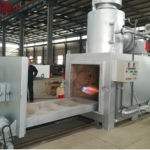
Tag: incinerators

Hospital incinerator maker


Number thing: 01 unit

Could you please send us cataloge detail for Pet Cremation of dogs, cats.

– Please services require: General about Cremation system which is suitable
Containerized Incinerators Operational Capabilities • PROCESS 1+ TONS / DAY • OPERATED WITH LIMITED TRAINING • REGULAR

MAINTENANCE CAN BE COMPLETED WITH LIMITED TRAINING • COMPLIES WITH EURO / OR US-EPA EMISSION STANDARDS • ABILITY TO BURN

WASTE LUBRICANTS (POL) • HANDLE ORGANIC SOLIDS (TO INCLUDE RMW) • DEPLOYABLE • MOBILE • 24 HRS OF CONTINUOUS USE •

AUTOMATIC LOADING SYSTEM • AUTOMATED ASH REMOVAL SYSTEM • GAS SCRUBBING SYSTEM • 95% REDUCTION OF SOLID WASTE • OPERATE

OFF DIESEL OR FUEL OIL • CAPABLE OF BURNING 4 UNITS OF WASTE PER UNIT OF FUEL • ABLE TO TAKE ALL COMBUSTIBLE WASTE TO

INCLUDE: PAPER, PLASTIC, CARDBOARD, FOOD, USED OILS, SLUDGE, OILY RAGS, WOOD PALLETS. • NO PRE-TREATMENT OF WASTE

REQUIRED • VENDOR REPAIR OFFERED AT POINT OF SHIPMENT • FIVE (5) YEAR COMPONENT WARRANTY FROM DATE OF ACCEPTANCE

Technical Specifications • OPERATION MANUAL AND TRAINING MANUAL FOR EACH INCINERATOR • SET UP AND INSTALLATION

INSTRUCTION MANUALS • BLUE PRINT/ SCHEMATIC PROVIDED THAT OUTLINES THE PHY SICAL DIMENSIONS OF THE 20′ INCINERATORS •

INCINERATORS COMPOSED WITH HEAVY DUTY WELDED CONSTRUCTION • OPERATED AND TRANSPORTED IN 20′ INCINERATORS (CONTAINERS) •

FULL FRONT AND OPTIONAL REAR ACCESS • PRIMARY / SECONDARY TEMPERATURE CONTROLS • COMBUSTION AIR DAMPER • VAPOR TIGHT

LIGHT FIXTURES & 120V OUTLET • OUTDOOR PLU-IN RECEPTABLE FOR ELECTRICAL SOURCE • OUTDOOR FUEL TRAIN WITH SHUT-OFF • LOAD

RAMP • SKID — MOUNTED FUEL TANK • ELECTRICAL AND FUEL OIL CONNECTORS • CONTROL PANEL AND AIR LOUVER • AIR MANIFOLD

ACCESS AND UTILITY BULKHEAD • GALVANIZED SHIPPING COVERS • FUEL, WATER AND OIL CONNECTOR LINES • PRIMARY AND SECONDARY

BURNERS • FULLY INTEGRATED PLC CONTROL SYSTEM • FACTORY TESTED, WIRED PRIOR TO SHIPMENT • MOBILITY: NO HEAVY LIFT

EQUIPMENT NEEDED FOR SET UP OR TEAR DOWN • HEIGHT RESTRICTED TO THE Greatest POINT ON BASE OR UNDER 15FT TALL

380V, 50Hz, 3Ph)
For your goods, technical transfer and training for operators.

Up to 600kgs per ten-hour day of Form IV pathological waste or red bag waste graded at 2200 BTU’s per kg, according to batch

loading twice every day.


Kinds of waste Generated in the health facility


HICLOVER Incinerator/Parts Range


Medical Waste Incinerators

HICLOVER 10-500kgs/Hr.Double Combustion Chambers

Single Combustion Chamber

Small, Cheap,10-20kgs/Hr.

Three Combustion Chambers(Optional)

3 Ranked for high risk waste

Pet Cremation Equipment

For Pet(small/big) Cremation Business

Animal Incineration Equipment


For other creature incineration


Temperature Control, Primary and Secondary
Stoking tools
Stainless Steel Spark Screen
Primary Chamber Door Locking System

HICLOVER Solution for Fighting COVID-19, with ISO9001:2015/CE(2006/42/EC,2014/30/EU) Certification.
1. Medical Waste Incinerator(Containerized Mobile Incinerator|Top Loading Incinerator)

2. Auto Roll Air Filter for Clean Room(Air Purification)

Nanjing Clover Medical Technology Co.,Ltd.
Tel:  +86-25-8461 0201    

Mobile: +86-138139 31455
WhatsApp: 008613813931455
WhatsApp: 008615380948599
Twitter ID: @hiclovercom
Wechat: 008613813931455 (ID: hiclovercom)
Wechat: +8615380948599 (ID: wasteincinerator)

Website1: www.hiclover.com 
Email1:     [email protected]
Email2:    [email protected]    
Email3:   [email protected]  
Items/Model TS10(PLC) TS20(PLC) TS30(PLC) TS50(PLC)
Brand HICLOVER HICLOVER HICLOVER HICLOVER
Burn Rate (Average) 10 kg/hour 20 kg/hour 30 kg/hour 50 kg/hour
Feed Capacity(Average) 20kg 40kg 60kg 100kg
Control Mode PLC PLC PLC PLC
Combustion Chamber 100L 210L 330L 560L
Internal Dimensions 50x50x40cm 65x65x50cm 75x75x60cm 100x80x70cm
Secondary Chamber 50L 110L 180L 280L
Smoke Filter Chamber Yes Yes Yes Yes
Feed Mode Manual Manual Manual Manual
Voltage 220V 220V 220V 220V
Power 0.5Kw 0.5Kw 0.5Kw 0.7Kw
Oil Consumption (kg/hour) 5.4–12.6 7.8–16.3 10.2–20 12.1–24
Gas Consumption (m3/hour) 6.2–11.4 8–15.7 9.8–20 9.9–26.1
Temperature Monitor Yes Yes Yes Yes
Temperature Protection Yes Yes Yes Yes
Oil Tank 100L 100L 100L 100L
Feed Door 30x30cm 45x40cm 55x50cm 70x55cm
Chimney 3Meter 3Meter 5Meter 5Meter
Chimney Type Stainless Steel Stainless Steel Stainless Steel Stainless Steel
1st. Chamber Temperature 800–1000 800–1000 800–1000 800–1000
2nd. Chamber Temperature 1000-1200 1000-1200 1000-1200 1000-1200
Residency Time 2.0 Sec. 2.0 Sec. 2.0 Sec. 2.0 Sec.
Gross Weight 1500kg 2200kg 3000kg 4500kg
External Dimensions 140x90x120cm 160x110x130cm 175x120x140cm 230x130x155cm

Prefabricated Incinerator with a concrete base and chain link fence.The incinerator should be portable, very easy to install, allow for re-location, fit in small space with a chimney length of 4m to drive smoke away to safe heights and also cause current flow of fresh air to drive moisture out of the rubbish such that the bad odour from sanitary pads is removed and the waste is dried automatically. The incinerator should be made of a non-rusting material such as stainless steel of 4mm gauge. It should not require an extra heat source, but use the heat generated from burning of the solid waste as its major energy source. This incinerator should be capable of raising temperature to its maximum within three minutes and the heat losses kept to the minimum.Average Temperature
Average Temperature; 850 degrees Cent grade (As per Ministry of Health) 
Capacity Capacity; 60 Liters, Auto combustion/nonfuel assisted 
Destruction rate 30 liters per hour, waste reduction up to 95%volume
Batch Load 5Kgs per load
Life Span Life span; minimum 10 years

Items/Model

TS100(PLC)

TS150(PLC)

TS300(PLC)

TS500(PLC)

Burn Rate (Average)

100 kg/hour

150 kg/hour

300 kg/hour

500 kg/hour

Control Mode

PLC Auto.

PLC Auto.

PLC Auto.

Combustion Chamber

1200L

1500L

2000L

3000L

Internal Dimensions

120x100x100cm

150x100x100cm

170x120x100cm

210x120x120cm

Secondary Chamber

600L

750L

1000L

1500L

Smoke Filter Chamber

Dry Scrubber

Dry Scrubber

Dry Scrubber

Dry Scrubber

Feed Mode

Manual

Manual

Manual

Manual

Voltage

220V

220V

220V

220V

Power

1.38Kw

1.69Kw

2.57Kw

4.88Kw

Diesel Oil Consumption (kg/hour)

Ave.20.4

Ave.24.2

Ave.33

Ave.44

Natural Gas Consumption (m3n/hour)

Ave.24.5

Ave.29

Ave.39.6

Ave.52.8

Temperature Monitor

Yes

Yes

Yes

Yes

Temperature Protection

Yes

Yes

Yes

Yes

Oil Tank

200L

300L

500L

500L

Chimney

10Meter

10Meter

14Meter

14Meter

Chimney Type

Stainless Steel

Stainless Steel

Stainless Steel

Stainless Steel

1st. Chamber Temperature

800℃–1000℃

800℃–1000℃

800℃–1000℃

800℃–1000℃

2nd. Chamber Temperature

1000℃-1200℃

1000℃-1200℃

1000℃-1200℃

1000℃-1200℃

Residency Time

2.0 Sec.

2.0 Sec.

2.0 Sec.

2.0 Sec.

Gross Weight

6000kg

8500kg

11000kg

16000kg

External Dimensions

260x150x180cm

300x160x190cm

400x210x300cm

450x210x300cm

CE and ISO Certification Pass Incinerators


2021-03-02


Poultry Incinerator Design for Pets Cremation Business


Model

A1500

Picture


Brand/Product Code

HICLOVER/N1134

Burning Rate

Typical 50 kgs/hour

Feed Capacity

Average 150 kgs/feeding

Primary Combustion Chamber

1500 Liters

Secondary Combustion Chamber

500 Liters

Mix Combustion Chamber

Yes

Smoke Filter Chamber

Yes

Feed Mode

Manual

Voltage

220V/380V

Fuel Type

Diesel Oil/ Organic Gas/LPG

Burner

Italy Original

Oil Consumption (Diesel Oil)

Typical 34 kg/hour

Gas Consumption (Natural Gas)

Typical 41 m3n/hour

Internal Dimensions

150 x 100 x 96cm (primary chamber)

External Dimensions

240 x 170 x 380cm (without chimney)

Infection Monitor

Yes

Oil Tank Capacity(if Petroleum Gas )

300 Liters

Door Opening

59 x 81cm

Chimney Length

10.0 Meters

Chimney Sort

Stainless Steel

Equipment Gross Weight

7500 kgs

Operation Technical Specifications

Primary Chamber Temperature

800℃–1000℃

Secondary Chamber Temperature

1000℃-1200℃

Residency Time

2.0 Sec.

Burning Efficiency

>98%

Waste Lower Calorific Power

3000Kcal

Pet Incinerator,Best incinerator manufacturers
HICLOVER Solution for Fighting COVID-19, with ISO9001:2015/CE(2006/42/EC,2014/30/EU) Certification.
1. Medical Waste Incinerator(Containerized Mobile Incinerator|Top Loading Incinerator)

2. Auto Roll Air Filter for Clean Room(Air Purification)

Nanjing Clover Medical Technology Co.,Ltd.
Tel:  +86-25-8461 0201    

Mobile: +86-138139 31455
WhatsApp: 008613813931455
WhatsApp: 008615380948599
Twitter ID: @hiclovercom
Wechat: 008613813931455 (ID: hiclovercom)
Wechat: +8615380948599 (ID: wasteincinerator)

Website1: www.hiclover.com 
Email1:     [email protected]       
Email2:    [email protected]    
Email3:  [email protected]   

HICLOVER Incinerator/Parts Range

Main Feature

Medical Waste Incinerators

HICLOVER 10-500kgs/Hr.Double Combustion Chambers

Single Combustion Chamber

Small, Cheap,10-20kgs/Hr.

Three Combustion Chambers(Optional)

3 Ranked for high risk waste

Pet Cremation Equipment

For Pet(small/big) Cremation Business

Animal Incineration Equipment

Items/Model TS10(PLC) TS20(PLC) TS30(PLC) TS50(PLC)
Brand HICLOVER HICLOVER HICLOVER HICLOVER
Burn Rate (Average) 10 kg/hour 20 kg/hour 30 kg/hour 50 kg/hour
Feed Capacity(Average) 20kg 40kg 60kg 100kg
Control Mode PLC PLC PLC PLC
Combustion Chamber 100L 210L 330L 560L
Internal Dimensions 50x50x40cm 65x65x50cm 75x75x60cm 100x80x70cm
Secondary Chamber 50L 110L 180L 280L
Smoke Filter Chamber Yes Yes Yes Yes
Feed Mode Manual Manual Manual Manual
Voltage 220V 220V 220V 220V
Power 0.5Kw 0.5Kw 0.5Kw 0.7Kw
Oil Consumption (kg/hour) 5.4–12.6 7.8–16.3 10.2–20 12.1–24
Gas Consumption (m3/hour) 6.2–11.4 8–15.7 9.8–20 9.9–26.1
Temperature Monitor Yes Yes Yes Yes
Temperature Protection Yes Yes Yes Yes
Oil Tank 100L 100L 100L 100L
Feed Door 30x30cm 45x40cm 55x50cm 70x55cm
Chimney 3Meter 3Meter 5Meter 5Meter
Chimney Type Stainless Steel Stainless Steel Stainless Steel Stainless Steel
1st. Chamber Temperature 800–1000 800–1000 800–1000 800–1000
2nd. Chamber Temperature 1000-1200 1000-1200 1000-1200 1000-1200
Residency Time 2.0 Sec. 2.0 Sec. 2.0 Sec. 2.0 Sec.
Gross Weight 1500kg 2200kg 3000kg 4500kg
External Dimensions 140x90x120cm 160x110x130cm 175x120x140cm 230x130x155cm

For other animal incineration


Items/Model

TS100(PLC)

TS150(PLC)

TS300(PLC)

TS500(PLC)

Burn Speed (Typical )

100 kg/hour

150 kg/hour

300 kg/hour

500 kg/hour

Control Mode

PLC Auto.

PLC Auto.

PLC Auto.

PLC Auto.

Combustion Chamber

1200L

1500L

2000L

3000L

Internal Dimensions

120x100x100cm

150x100x100cm

170x120x100cm

210x120x120cm

Secondary Chamber

600L

750L

1000L

1500L

Smoke Filter Chamber

Dry Scrubber

Dry Scrubber

Dry Scrubber

Dry Scrubber

Feed Mode

Manual

Manual

Manual

Manual

Voltage

220V

220V

220V

220V

Electricity

1.38Kw

1.69Kw

2.57Kw

4.88Kw

Diesel Oil Consumption (kg/hour)

Ave.20.4

Ave.24.2

Ave.33

Ave.44

Natural Gas Consumption (m3n/hour)

Ave.24.5

Ave.29

Ave.39.6

Ave.52.8

Infection Monitor

Yes

Yes

Yes

Yes

Temperature Protection

Yes

Yes

Yes

Yes

Oil Tank

200L

300L

500L

500L

Chimney

10Meter

10Meter

14Meter

14Meter

Chimney Type

Stainless Steel

Stainless Steel

Stainless Steel

Stainless Steel

1st. Chamber Temperature

800℃–1000℃

800℃–1000℃

800℃–1000℃

800℃–1000℃

2nd. Chamber Temperature

1000℃-1200℃

1000℃-1200℃

1000℃-1200℃

1000℃-1200℃

Residency Time

2.0 Sec.

2.0 Sec.

2.0 Sec.

2.0 Sec.

Gross Weight

6000kg

8500kg

11000kg

16000kg

External Dimensions

260x150x180cm

300x160x190cm

400x210x300cm


CE and ISO Certification Pass Incinerators

450x210x300cm


Garbage Incinerator TS150 PLC Mobile Type


Items/Model

HICLOVER TS150(PLC) (Mobile Sort ) N1155

Picture

 mobile incinerator

Principle

Waste Incineration Remedy,trash incinerator

Burn Rate

Average 150 kg/hour

Feed Capacity

Average 150kg/feeding

Control Mode

PLC(Programmable Logic Controller Incinerator)

Combustion Chamber

1200L

Internal Dimensions

120x100x100cm

Secondary Chamber

600L

Smoke Filter Chamber

Yes(Dry Scrubber)

Feed Mode

Manual

Voltage

220V

Electricity

0.9Kw

Oil Infection (kg/hour)

average 20.4

Gas Consumption (m3/hour)

average 24.5

Infection Monitor

Digital Display

Temperature Protection

Yes

Oil Tank

200L

Feed Door

80x60cm

Chimney

5Meter

Chimney Sort

Stainless Steel

1st.

HICLOVER Incinerator/Parts Range

Main Feature

Medical Waste Incinerators

HICLOVER 10-500kgs/Hr.Double Combustion Chambers

Single Combustion Chamber

Small, Cheap,10-20kgs/Hr.

Three Combustion Chambers(Optional)

3 Chambers for high risk waste

Phone: +86-13813931455(whatsapp/wechat)
Website: http://www.hiclover.com/ 

Pet Cremation Equipment

Nanjing Clover Medical Technology Co.,Ltd.

For Pet(small/big) Cremation Business

Animal Incineration Equipment

For other animal incineration

Items/Model

TS100(PLC)

TS150(PLC)

TS300(PLC)

TS500(PLC)

Burn Rate (Average)

100 kg/hour

150 kg/hour

300 kg/hour


500 kg/hour

Control Mode

PLC Auto.

PLC Auto.

PLC Auto.

PLC Auto.

Combustion Chamber

1200L

1500L

2000L

3000L

Internal Dimensions

120x100x100cm

150x100x100cm

170x120x100cm

210x120x120cm

Secondary Chamber

600L

750L

1000L

1500L

Smoke Filter Chamber

Dry Scrubber

Dry Scrubber

Dry Scrubber

Dry Scrubber

Feed Mode

Manual

Manual

Manual

Manual

Voltage

220V

220V

220V

220V

Electricity

1.38Kw

1.69Kw

2.57Kw

4.88Kw

Diesel Oil Consumption (kg/hour)

Ave.20.4

Ave.24.2

Ave.33

Ave.44

Natural Gas Consumption (m3n/hour)

Ave.24.5

Ave.29

Ave.39.6

Ave.52.8

Infection Monitor

Yes

Yes

Yes

Yes

Temperature Protection

Yes

Yes

Yes

Yes

Oil Tank

200L

300L

500L

500L

Chimney

10Meter

10Meter

14Meter

14Meter

Chimney Type

Stainless Steel

Stainless Steel

Stainless Steel

Stainless Steel

1st. Chamber Temperature

800℃–1000℃

800℃–1000℃

800℃–1000℃

800℃–1000℃

2nd. Chamber Temperature

1000℃-1200℃

1000℃-1200℃

1000℃-1200℃

1000℃-1200℃

Residency Time

2.0 Sec.

2.0 Sec.

2.0 Sec.

2.0 Sec.

Gross Weight

6000kg

8500kg

11000kg

16000kg

External Dimensions

260x150x180cm

300x160x190cm

400x210x300cm

450x210x300cm

2021-02-28

1000℃-1200℃

Residency Time

2.0 Sec.

450x210x300cm


CE Certification Pass

HICLOVER Solution for Fighting COVID-19 with CE Certification.
 
1. Medical Waste Incinerator(Containerized Mobile Incinerator|Top Loading Incinerator)
 
2. Auto Roll Air Filter for Clean Room


2021-02-28


We supply single combustion chamber, double combustion chambers, three combustion chambers and multi-combustion chambers waste incinerators for laboratory, clinic, hospital, medical center, hygiene clinical waste destruction with medical disposable, biological waste, medical plastic waste, hazardous waste, red bag waste, needle disposal, gauze and bandages, sealed sharp containers, pathological waste, trace-chemotherapeutic wastes, etc.

Kenya: How Toxic and Infectious Medical Waste Can Be Harming Citizens

A visit to the hospital does not usually show what happens in the trunk. It is here where lost blood and body tissues and parts from surgeries, pharmaceuticals, medicine bottles — tonnes of hospital waste — go through. In the instance of the Kenyatta National Hospital, this might be as much as one tonne a day estimated to be half the medical waste generated from town. Quite understandably, it is not usually open to the general public.

Most of these normally wind up in incinerators — the most economical medical waste disposal system for the majority of hospitals. But a good deal of it slips through the system to get us stressed. Best practice dictates that such ash be buried.

However, as this author found out, this is much better said than done. Lack of adequate equipment to safely dispose of waste and failure to see best practices was a frequent characteristic in many hospitals visited in this survey.

From releasing harmful fumes and ash openly to the environment to dumping medical waste together with general waste, the local medical waste management scene still has quite a ways to go.

Raw medical waste and toxic ash from incinerators ends up in open dumps like Dandora and Eastleigh posing a health threat to thousands of individuals salvaging plastic and metal for recycling and residents living nearby. Major hospitals such as Kenyatta National Hospital which have great incinerators have run from reasons to bury toxic ash. Few physicians have a scrubber system where fumes are filtered to eliminate possibly toxic gases such as dioxins from burning plastic — a frequent material discarded by hospitals.

A current study on the global status of waste management ranks Nairobi as one of the worst in waste management. Residents living near Dandora reported a high number of respiratory diseases and have been discovered to have unacceptably high levels of heavy metals such as lead in their blood. Dandora dumpsite reeks of heavy metals that can hinder brain growth as our individual tests confirmed.

Walking throughout the dumpsite opened throughout the 1970s reveals unlikely materials that wind up here. Lying in the heap of an unsightly mixture of plastic bags and natural waste, one often discovers bloodied gloves, dressing bandages, needles, lost drugs and a plethora of other metals tucked off.

out of their small amounts, it’s not hard to conclude this come in smaller hospitals, clinics and dispensaries not willing to invest on the proper disposal of waste. Level five associations, previously called provincial hospitals such as Nakuru, are mostly nicely equipped with incinerators that may lighten esophageal waste into ash and water, states Kinoti.

A peek at the Dandora dumpsite reveals an unsightly mixture of plastic, food remains, animal goods and all manner of waste the town discards. Every couple of minutes a truck makes its way through the hills of garbage town has collected over decades. The steady stream of trucks falls quiet .

However, as dark drops, another group, mostly only trucks hurriedly enter the dumpsite, quickly offload their materials and also make their departure, all in just a couple of minutes — well conscious of their wrongdoing. A closer look in the chopped material reveals needles that are used, bloodied bandages, pharmaceuticals and a plethora of other waste in hospitals.

Early in the morning, a County Authorities of Nairobi earth mover turns over the waste mixing it with crap ready to get the next batch for your day.

Tens of individuals descend on the website, sorting out the garbage with their bare hands. Their interests are different. While some solely concentrate on milk packets that they wash at a sewage tunnelothers are interested in salvaging metals from the burnings heaps, fuelled by the excess gas beneath.

Still others are after the food remains which they accumulate to feed animals — all decided to earn a living. A prick from an infected needle and they might end up with serious illnesses including HIV.

They all seem too conscious of the threat, however they have to feed their children, a man, protected only by a pair of gumboots, states.

The National Environmental Management Authority and the County Authorities of Nairobi didn’t respond to our enquiries.

Nevertheless the threat of medical waste from the country does not begin or finish here. Medical facilities try to securely dispose of the waste to several levels of success. A large number incinerate their waste, but lack the prerequisite air pollution control equipment to guard against materials such as sulphur, known jointly as flue materials, getting into the environment.

In such cases, residents living near such facilities are vulnerable to respiratory ailments. A study carried out by a Yale University student recently discovered that elevated levels of toxic fumes from incinerators rending the atmosphere were responsible for respiratory ailments among residents living near such facilities.

A current report detailed that the elevated levels of heavy metals such as lead in vegetables grown and marketed in Nairobi. Lead is a dangerous metal which can cause retardation in children. Some farmers in Kinangop were recently in the spotlight for utilizing sewage to grow their plants largely sold in town.

Incinerators below standard

Dumping of toxic ash is not the sole problem facing the medical waste management scene. The state of equipment is needing, some dating several decades back and ill equipped to minimize contamination.

Most people hospital under level five have p Montfort incinerators where temperatures are not controlled and are very likely to pollute because they lack scrubber systems. “Unfortunately this kind of incinerators are typical in district hospitals and health centres,” Kinoti says.

“A wet scrubber is a compartment where the emissions are sprinkled with water to dissolve air pollutants, and what’s released to the environment is clean,” Kinoti describes. Employees are also not well protected in mid-level physicians. Due to the design of the incinerators, medical waste is loaded manually and workers who mostly don’t have protective gear are vulnerable, she states.

A moderate size incinerator costs an average of Sh20 million before installation, clearly a top shot for bicycles. Insert the high maintenance costs and also how these facilities guzzles several thousands of litres of gasoline to run daily and you wind up getting a rather high bill.

“However, the high price of incinerators isn’t any excuse for polluting the environment,” states Kinoti. “Hospital waste includes mercury and may produce furans that are extremely toxic and can cause cancer and acute respiratory diseases,” she states.

Medical facilities that don’t have incinerators are required to have contracts with specialised waste disposal businesses to take care of their waste. For many, this is just an unnecessary hurdle they have to undergo before obtaining a license to operate a hospital. Little is done to honor. A number do not follow through with all these requirements posing a massive health risk to people and the environment.

Hospitals categorize their waste otherwise due to their safe handling during transportation, storage, treatment and disposal, says Bernard Runyenje, assistant chief public health officer, Kenyatta National Hospital.

Highly infectious waste are those anticipated to be containing highly contagious pathogenic organisms such as bacteria and viruses while general waste might consist of office paper. Usually in red packs, infectious waste need special care throughout the process of waste disposal and therefore are assumed to be treated at origin. It is not however unusual to discover a worker carrying a yellow or red disposal bag without gloves or some other protective gear.

Tissues that decompose quickly such as amputated limbs are disposed of quickly or placed under refrigeration. Most African countries use incineration to dispose of medical waste.

Based on Dr Runyenje, incineration should be a controlled procedure and ought to happen in an enclosure. But he admits that incinerators in rural areas don’t meet these specifications.

A fantastic incinerator should have more than 1 room where waste is burned from the first room, so that there is increased temperatures at the second room and gases can be burnt at the third room, he states. In the end of the procedure, most of the waste was burned to a decent level. Clinics and dispensaries often working in highly populated areas often flout the regulations, publicly burning their waste with paraffin and charcoal to avoid the price of secure disposal. Half burned waste is easy to spot in dumps on roadsides and quite visible in municipal dumpsites.

Incineration nevertheless does not get rid of toxic fumes and heavy metals — if anything else it can disperse toxic fumes to a wide areas if not done correctly. The scrubber system is designed to reduce such contamination but the system is expensive and many hospitals visited don’t have it. Such gases may include carbon monoxide, carbon dioxide, dioxins and furans which can result in serious diseases such as cancer.

The minimal height of a chimney should be at least 10 feet above the tallest building around to minimise direct exposure to occupants. Whatever comes from the chimney ought to be dispersed away from neighboring buildings.

“Occasionally it is tricky to know what you’re devoting to the environment. A high chimney should not however be viewed as a substitute for a scrubber system, adds Kinoti. A high chimney simply disperses fumes further to residents who might not even be conscious of them, she finds.

To most, such as waste supervisors interviewed, ash from incinerators, or some other ashes for that matter is not harmful — a lost notion that may be contributing to its ditching. The fact remains they contain harmful metals such as mercury, lead and cadmium as our individual tests confirmed.

Incineration reduces the waste to approximately 10 percent of their initial volume. However, the residual ash generally contains very high content of heavy metals. How physicians and waste disposal businesses manage this will determine the health of our environment. Such should usually be buried in sanitary landfills to keep it from leaching to the ground, yet this practice seems rare in the country.

Whether through sheer negligence, or lack of facilities and space or reluctance to satisfy the associated costs, medical waste nevertheless ends up in our environment. When disposed in open ground, heavy metals readily leach to the groundwater or make a direct method to our food chain.

Bottom ash under normal circumstances should be buried, but many health facilities don’t have disposal grounds. These burial grounds are not present either at Dandora where officials claimed the ash was chosen to be buried.

Some businesses are licensed to manage hazardous waste. However, Dr Runyenje nonetheless notes that not many manage general medical waste.

quite a few incinerators in public hospitals were in a state of disrepair leaving tonnes of toxic waste piling up and posing a threat to the general public.

Kenyatta National Hospital includes a ground where tonnes of waste are kept awaiting disposal. Two of its three incinerators are anticipating repair resulting in a backlog estimated at 170 tonnes.

Its newly acquired incinerator from India is the most innovative among the hospitals visited consisting of two chambers for maximum combustion. The wide system of smoke pipes contributes to a room where the smoke is passed through a fluid to eliminate fumes and other residue.

The resulting black slime comprises a number of the harmful metals. However, the layout and structure of the holding region does not meet specifications and some of it circulates to the ground, a source tells us.

The incinerator cannot be operated throughout the day because the nursing college is just metres away.

The location of incinerators in relation to offices, hospitals and other residential is a frequent problem in many facilities. The one in the Chiromo School of Physical and Biological Sciences for example Isn’t in operation since it sits close to an embassy.

One incinerator at Nakuru County is perilously close to the maternity ward, some smoke go straight to patients.

The situation plays out in many other hospitals around the country who also lack additional air pollution control equipment.

Ash dumped in open ground are still an open feature in a number of top facilities which may possibly poison ground water through leaching.

Ideally, ash from such waste ought to be buried in landfills, a practice that has been abandoned in the country.

With people living close to such facilities, they are inevitably exposed, and threat serious respiratory ailments and severe diseases including cancer. The Kenyatta National Hospital incinerators operate at night to minimise vulnerability to the pupils in the School of Nursing barely a dozen metres away.

A source told this author that the soils were so contaminated they will have to be skimmed away and buried. Meanwhile, residents will have to contend with dangerous, potentially carcinogenic, ash emanating from such facilities. “The price of the incinerator is too high for them to afford,” states Thomas Imboywa, who’s in charge of one of these at the Nairobi Women’s Hospital, one of the largest in the region. On a daily basishe manages the secure disposal of the days waste.

The incinerator, a massive blue structure sits on about 100 square metres of space slightly off the main construction and sports a top chimney, towering above the local construction. However, when a practice or hospital does not turn in any waste for weeks on end, it raises eyebrows, Imboywa states. He’s familiar with many such cases and the hospital is fast to repudiate such contracts according to their policy. Some healthcare facilities might just secure a contract together to wade through National Environmental Authority (Nema) regulations but have no intention to securely dispose of the waste, Imboywa observes.

individuals who don’t have incinerators are required by Nema to have a contract with hospitals such as Nairobi Women’s Hospital to dispose their waste. However, not all of medical waste ends up in such specialised facilities. Instead, in areas such as Kibera they’re doused with paraffin and burned in the open.

“But in this circumstance, sharps will stay and the waste may nevertheless stay infectious because it is impossible for them to reach the required temperature,” Imboywa said. In reality the material can stay infectious because they might not reach the required temperatures.

Devolution could make it worse

As more physicians come up in tandem with the growing population, a rethinking how medical waste is handled will be inescapable. The devolution of resources has witnessed more clinics and dispensaries set up in previously unreached areas.

Apart from being costly, Dr Runyenje agrees that if those facilities were to put up their own incinerators, there would be pollution and authorities will have more difficulty supervising them.

“There’s need to pool incineration facilities for hazardous and medical waste,” he states. These facilities can serve as emission monitoring points for authorities. “It will be easier to set controls from such a fundamental facility. “In the Technical Working Group, we are considering how counties can pool their facilities together and also have their health care waste incinerated in a central point. It will be rather costly in the long run to have every facility to have its own incinerator that cannot run at full capacity,” he states.

The ideal waste disposal method is controlled tipping being practiced in most of Europe and North America where it is buried in layers,” Dr Runyenje states. “The advantage with this system is that the property may nevertheless be used for other activities. It is the only assurance of disposal of any sort of waste,” he states.

Kariobangi, that currently hosts light industries, used to be a controlled tipping site before start dumping at Dandora. “Counties ought to be considering controlled tipping instead of investing heavily from incinerators,” he states.

General waste may have lots of recyclable materials however suitable segregation that can make this potential is still lacking in the country.

The effectiveness of recycling is determined by the efficacy of segregation.

The problem, according to Kinoti, is enforcement of the law. While larger hospitals are trying to correctly dispose of the waste, some smaller clinics may be spoiling it, she states. The fact that generators cannot track their waste once it is given to waste collectors is also an additional problem according to her.

“there are lots of quacks doing waste direction mixing household waste with hazardous waste. This may pose a significant health problem,” states Kinoti. Since they empty waste bins from houses, waste collectors can result in serious contamination in households. “Waste collectors who are collecting toxic waste ought to be committed waste handlers and should not manage other general waste,” Kinoti says.

Effluent in the scrubber system ought to be required for treatment to remove heavy metals and other pollutants.

“The law on sound medical waste disposal ought to be enforced, district and healthcare centres should install bigger incinerators to manage waste from smaller fee. We should have dedicated health waste supervisors,” Kinoti says.

The problem, according to Kinoti, is enforcement of the law. While bigger hospitals are trying to properly dispose of their waste, some smaller clinics may be spoiling it, she says. The fact that generators cannot monitor their waste once it is given to waste collectors is also another problem according to her.

“There are many quacks doing waste management mixing household waste with hazardous waste. This can pose a serious health problem,” says Kinoti. Since they empty waste bins from homes, waste collectors can cause serious contamination in households. “Waste collectors who are collecting hazardous waste should be dedicated waste handlers and should not handle other general waste,” Kinoti says.

Effluent from the scrubber system should be taken for treatment to remove heavy metals and other pollutants. But the sewerage system is broken and a lot is discharged on the way. Sewage pipes are sometimes deliberately punctured and effluent used as fertiliser for crops.

“The law on sound medical waste disposal should be enforced, district and healthcare centres should install larger incinerators to handle waste from smaller fee. We should have dedicated healthcare waste managers,” Kinoti says.


by: http://allafrica.com/stories/201411111021.html

Diesel Oil Filter Cup on Oil Line for Incinerator

Diesel Oil Filter Cup   on Oil Line for Incinerator
Can I burn paper in a garden incinerator?
Basically, just like you would when making a bonfire. If filled correctly with 
dry material, the incinerator will only take a few moments to light. 
I use long matches that can be poked through the holes in the side of the incinerator to light the paper.
Why incineration is bad?
Incinerators generate harmful pollution posing a risk to human health in 
nearby communities. Burning trash releases dioxin, lead, and mercury 
(in many areas, incinerators are the largest sources of these pollutants),
greenhouse gas emissions including both biogenic sources and carbon dioxide, and hazardous ash.

Steps of waste management


Item

Specification

Model

A1500

Internal Dimensions

150 x 100 x 96cm

Suit for Animal

Cat – yes

Dog – yes

Pig – yes

Cow – Little

Main Product List

Main Combustion Chamber


Secondary Combustion Chamber


Mix-Combustion Chamber


Wet Scrubber( Washing Tower)


Incinerator Control Case


Chimney:10.0Meters *(Update to Stainless Steel, free Price )


Italy oil burner: 03 sets


Phone: +86-13813931455(whatsapp/wechat)
Website: http://www.hiclover.com/ 

Oil Tank: 500Liters

Nanjing Clover Medical Technology Co.,Ltd.

HICLOVER Incinerator/Parts Range

Main Feature

Medical Waste Incinerators

HICLOVER 10-500kgs/Hr.Double Combustion Chambers

Single Combustion Chamber

Small, Cheap,10-20kgs/Hr.

Three Combustion Chambers(Optional)

3 Chambers for high risk waste

Pet Cremation Equipment

For Pet(small/big) Cremation Business

Animal Incineration Equipment

For other animal incineration

hospital waste management ppt 2018


Items/Model

TS100(PLC)

TS150(PLC)

TS300(PLC)

TS500(PLC)

Burn Rate (Average)

100 kg/hour

150 kg/hour

300 kg/hour

500 kg/hour

Control Mode

PLC Auto.

PLC Auto.

PLC Auto.

PLC Auto.

Combustion Chamber

1200L

1500L

2000L

3000L

Internal Dimensions

120x100x100cm

150x100x100cm

170x120x100cm

210x120x120cm

Secondary Chamber

600L

750L

1000L

1500L

Smoke Filter Chamber

Dry Scrubber

Dry Scrubber

Dry Scrubber

Dry Scrubber

Feed Mode

Manual

Manual

Manual

Manual

Voltage

220V

220V

220V

220V

Power

1.38Kw

1.69Kw

2.57Kw

4.88Kw

Diesel Oil Consumption (kg/hour)

Ave.20.4

Ave.24.2

Ave.33

Ave.44

Natural Gas Consumption (m3n/hour)

Ave.24.5

Ave.29

Ave.39.6

Ave.52.8

Temperature Monitor

Yes

Yes

Yes

Yes

Temperature Protection

Yes

Yes

Yes

Yes

Oil Tank

200L

300L

500L

500L

Chimney

10Meter

10Meter

14Meter

14Meter

Chimney Type

Stainless Steel

Stainless Steel

Stainless Steel

Stainless Steel

1st. Chamber Temperature

800℃–1000℃

800℃–1000℃

800℃–1000℃

800℃–1000℃

2nd. Chamber Temperature

1000℃-1200℃

1000℃-1200℃

1000℃-1200℃

1000℃-1200℃

Residency Time

2.0 Sec.

2.0 Sec.

2.0 Sec.

2.0 Sec.

Gross Weight

6000kg

8500kg

11000kg

16000kg

External Dimensions

260x150x180cm

300x160x190cm

400x210x300cm


brick incinerator design,The control system shall include an electronic performance monitoring and logging system. The system shall be capable of monitoring and logging chamber temperatures at regular intervals (not less than once per minute, with the capacity to vary the logging frequency). The system shall include the capacity to download the performance data by USB connection.
All the measuring devices attached with the incinerator should have digital display and should have provision of connecting to the recording system, which should include fuel meter and separate energy meter.
The temperature shall be determined against the inside wall of the combustion chambers. An audible and visible alarm shall be installed to warn the operator when the secondary temperature drops to below the required temperature.
The primary chamber must meet or exceed the following criteria:
“• Heavy steel construction.
• Fixed hearth geometry and starved air gasification operational mode. 
• Hot face refractory concrete-ceramic suitable for thermal shock up to 1400 Celsius and abrasion. Minimum thickness 150mm. 
• Cold face refractory lining of calcium silicate or superior material, minimum thickness 100mm. 
• Refractory lining of all the ducts shall be done with refractory castings. Superior quality ceramic wool shall be used at all hot duct flanges and expansion joints.
• Multiple electric ignition fuel burners designed to use automotive diesel fuel.
• Flame of the primary burner shall be oriented towards the center of the unit which does not impinge directly on the refractory floor or wall. The secondary burner shall be positioned in such a way that the flue gas passes through the flame. 
• The unit shall prevent leakage of the hot flue gas and any backfire. 
• An electrically powered fan forced air supply, with the capacity for variation by the operator.
• Digital thermometers connected to electronic dataloggers. The thermometers shall be located on the chamber walls away from the fuel burner.
• A differential air pressure gauge connected to an electronic datalogger

 CE Certification Pass

HICLOVER Solution for Fighting COVID-19 with CE Certification.
 
1. Medical Waste Incinerator(Containerized Mobile Incinerator|Top Loading Incinerator)
 
2. Auto Roll Air Filter for Clean Room

450x210x300cm