Archive: May 1, 2021

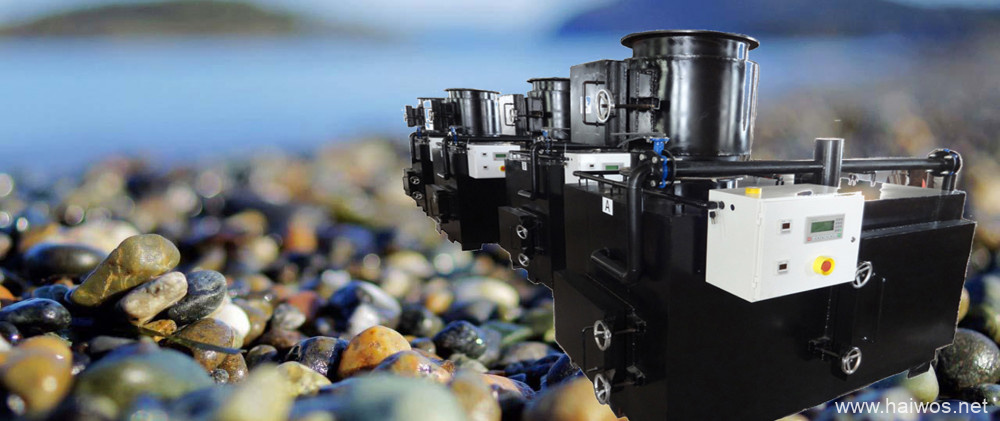
محرقة طبية 10 كجم / ساعة

وصف المنتج

استجابة التكنولوجيا (الأسئلة الشائعة)

س: ما نوع النفايات التي يمكن استخدامها في هذا الجهاز؟
ج: هذه المعدات للنفايات الطبية ، والحيوانات الأليفة ، والنفايات البلدية ، والنفايات الحية. يحظر المواد المتفجرة والإشعاعية والنفايات السائلة والغازات.

س: معيار الدخان المحرقة
ج: معيار الحكومة الصينية: رقم GB18484-2001.

س: القدرة على العلاج
ج: متوسط السعة المحسوبة بالنفايات الطبية (الطاقة الحرارية المنخفضة (LC P): 3.0TH Kcal / Kg في الساعة) ، لا يعني أي مواد نفايات. معدل احتراق الحيوانات / الحيوانات الأليفة حوالي 2/3 من متوسط السعة.

تستخدم محرقة البرسيم وقتًا يوميًا يصل إلى 24 ساعة. بين كل وقت تغذية / احتراق ، هناك حوالي 0.5-1 ساعة تبريد ووقت لتغذية النفايات. يبلغ وقت الاحتراق الفعلي في اليوم حوالي 16 ساعة. عمر المحرقة بين 5-10 سنوات حسب الاستخدام.

بشكل عام ، نقترح استخدام مختبر صغير وعيادة صغيرة سعة أقل من 20 كجم في الساعة. عند استخدام المحرقة في المستشفى ، يرجى حساب سعة إخراج النفايات حوالي 2 كجم لكل شخص في اليوم. إذا كان هناك 200 سرير مرضي في المستشفى ، فهذا يعني أنك بحاجة إلى سعة محرقة واحدة تبلغ حوالي 400 كجم في اليوم ، والتغيير إلى السعة في الساعة حوالي 30-40 كجم في الساعة. محرقة 300 كجم ، محارق جثث الحيوانات ، محارق الحيوانات في الصين ، محرقة النفايات الطبية في الصين ، محرقة الصين + ، الشركة المصنعة لمحرقة المستشفى ، وفقًا لوقت التشغيل في اليوم ، مواد النفايات ، الميزانية ، التطوير ، إلخ ، يمكنك استخدام السعة من 30-50 كجم لكل ساعة محرقة.
* كيفية حساب معدل حرق جثث الحيوانات: 2/3 من النفايات الطبية.

س: التجميع والاختبار
ج: نقوم بتوريد جميع الوثائق والمحارق سهلة التركيب والتشغيل. يمكن للعميل إرسال أشخاص يأتون إلى مصنعنا لتعلم التركيب والتشغيل. بشكل عام ، لا نرسل مهندسًا إلى موقع محلي إذا لم يطلب ذلك. تكلفة الإرسال إضافية حسب الطلب.

س: درجة حرارة الاحتراق
أ: غرفة الاحتراق الأولى: 800-1000 درجة مئوية.
غرفة الاحتراق الثانية: 1000-1200 درجة مئوية.

س: وضع التحكم في المحرقة
ج: وضع التحكم الافتراضي هو حالة تحكم شائعة. وضع PLC حسب النموذج والنظام.

س: تكاليف التشغيل والصيانة
ج: تكلفة التشغيل وفقًا لمعدل استهلاك الوقود والطاقة / الموظفين ، إلخ.

سنويًا حوالي 500 دولار – 1000 دولار أمريكي سنويًا للصيانة وفقًا للطراز وحالة الاستخدام.

يمكن لشخص واحد خدمة 02 محرقة وحدة. يجب أن يكون لدى الموظفين المعرفة الأساسية بالكهرباء لتشغيل / فحص / صيانة المحرقة / الموقد / المنفاخ وفقًا لدليل مستخدم التشغيل ، ومعرفة مخاطر النفايات الطبية لحماية العامل الذاتي مع عنصر الحماية الضروري.

س: مدة الإقامة في غرفة الاحتراق الثانوية
ج: 02 ثانية.

العناصر / النموذج TS10 (PLC) TS20 (PLC) TS30 (PLC) TS50 (PLC) TS100 (PLC)
معدل الاحتراق 10 كجم / ساعة 20 كجم / ساعة 30 كجم / ساعة 50 كجم / ساعة 100 كجم / ساعة
سعة الأعلاف 20 كجم 40 كجم 60 كجم 100 كجم 200 كجم
وضع التحكم PLC PLC PLC PLC PLC
غرفة الاحتراق 100 لتر 210 لتر 330 لتر 560 لتر 1200 لتر
خفض الماوس لعرض الإجابة 50x50x40 سم 65x65x50 سم 75x75x60 سم 100x80x70 سم 120x100x100 سم
الغرفة الثانوية 50 لتر 110 لتر 180 لتر 280 لتر 600 لتر
غرفة مرشح الدخان نعم نعم نعم نعم نعم
وضع التغذية يدوي يدوي يدوي يدوي يدوي
الجهد االكهربى 220 فولت 220 فولت 220 فولت 220 فولت 220 فولت
قوة 0.5 كيلو واط 0.5 كيلو واط 0.5 كيلو واط 0.7 كيلو واط 0.7 كيلو واط
استهلاك الزيت (كجم / ساعة) 5.4 – 12.6 7.8 – 16.3 10.2 – 20 12.1 – 24 14 – 28
استهلاك الغاز (م 3 / ساعة) 6.2-11.4 8-15.7 9.8 – 20 9.9 – 26.1 10 – 32.2
مراقب درجة الحرارة نعم نعم نعم نعم نعم
حماية درجة الحرارة نعم نعم نعم نعم نعم
خزان النفط 100 لتر 100 لتر 100 لتر 100 لتر 200 لتر
باب التغذية 30×30 سم 45×40 سم 55×50 سم 70×55 سم 80×60 سم
مدخنة 3 متر 3 متر 5 متر 5 متر 10 أمتار
نوع المدخنة ستانلس ستيل ستانلس ستيل ستانلس ستيل ستانلس ستيل ستانلس ستيل
وقت الإقامة 2.0 ثانية. 2.0 ثانية. 2.0 ثانية. 2.0 ثانية. 2.0 ثانية.
الوزن الإجمالي 1500 كجم 2200 كجم 3000 كجم 4500 كجم 6000 كجم
الابعاد الخارجية 140x90x120 سم 160x110x130 سم 175x120x140 سم 230x130x155 سم 260x150x180 سم

اتصل الآن هاتف: + 86-25-8461 0201

incinerators manufacturers china

The incinerator shall then take supply from the DO tank through its DO feed pumps to its respective burners. An

integrating meter shall be installed to measure the volume of DO consumed by the incinerator. Suitable pre metering

strainers shall be provided together with a lockable by-pass across both strainer and meter. The meter shall have a

digital read out in litres and shall record quantities from 1 to 99999 with an accuracy of ±1%.


Control of the DO feed pumps and associated control valves shall be fully automatic. The PLC system shall control the

DO burners automatically so as to achieve minimum Diesel oil consumption during startup and service.


2.6  Site Conditions:


Location:


Port Louis, Mauritius

Ambient Temperature:      18-35 °C

Relative Humidity:    74 – 95%

Other:    Corrosive environment due to proximity with the

sea

2.7  MANUFACTURING & FACTORY  TESTS


The successful Bidder shall carry out a ‘factory acceptance’ testing of the incinerator set within its premises /

laboratory to verify the guaranteed figures The Bidder`s test procedure, test facilities and test results shall be

verified and certified by an international accreditation body approved by CEB.incinerator is for use in the hospital

for burning hazardous waste and chimicals, minimum Capacity 300 per hour. I will be reselling to my client?. Below is

the information I was given and nothing else. The hospital incinerator for use in the clinical waste as required by

international environmental management. Minimum 300 Kg capacity/hr, Fuel fired, refractory lined, chimney and sampling

prot. Minimum temperature of 1100 degree Celsius kindly quote me best price for resale.

incinerator capacity calculation

Test shall be conducted by factory authorized representative of incinerator manufacturer.


  1. Demonstrate required weight reduction of specified waste. Waste shall be fed in a single batch to the unit.

After termination of manufacturer’s predicted burning period, inspect and weigh the residue.


  1. Emissions testing may be deleted if not required by state or local authorities. List all additional tests

required by state and local emission authorities.


  1. Emissions:


  1. Test shall be conducted by independent testing organization provided by Contractor which has a minimum of three

years experience in emissions testing and which has been approved by the pollution control authority that has

jurisdiction.


  1. Conduct tests during the reduction of waste test specified above.


  1. Test methods must comply with EPA Reference Method 5, 40 CFR 60, Appendix B, “Determination of Particulate

Emissions from Stationary Sources”.


  1. Demonstrate that incinerator complies with specified emission limits.


  1. Sound Levels: Demonstrate conformance to sound level limitation.


  1. Report: Furnish complete written report (three copies), which includes test data, calculations, results

compared with requirements, list of personnel, and other pertinent information. Furnish report within three weeks of

test date.

incinerator type of pyrolytic medical waste incinerator capacity

Including:Incinerator: Structure to be specified
The mark to be specified
Water temperature: 800 to 1000 ° C;
Refractory
Temperature of more than 1100 ° C + obtained;
Capacity: 20-50 kg / hour
Fireplace: 4 to 6 meters high;
Dimension 70 cmx70 crn
Height: 1.10 meters
Fuel: coal;
Aspiration: natural

– A receiving cage for biomedical waste;

– A combustion chamber with a chimney with a filter to retain the ashes;

Chimney section: about 300 cm; With a minimum height of 6 m

Door size: approximately 50×60 cm

Supplied with a 500 liters fuel tank and all necessary accessories for installation.
–                          INCINERATOR for pharmaceutical waste treatment with                  a scrubbing system

With the following technical data:

1.      One pharma solid waste incinerator unit containing two combustion chambers and based on steel base with scrubbing

system.

2.      Working hour /day: minimum 10 hours/day.

3.      Capacity: Approximated 150 kg/hr. Over 10 hrs.

4.      Wastes characteristics:

·         BULK density: 70 – 100 kg/ bm³.

·         Calorific value: 2000-3000 kcal / hr.

·         Moisture content: 20-30%by weight.

·         Ash content: 2 – 8 % by weight.

·         Plastic content: 15-20 % by weight.

5.      Two combustion chambers.

6.      Operating temperatures:

·         First chamber: not less than 700 – 800 °c.

·         Second chamber: not less than 1200 °c (during steady operation).

7.      The burners should be automatically switched off if any of the combustion chambers doors is open.

8.      The burners of the first and second combustion chambers are selected for burning diesel oil (light fuel).

9.      Automatic loader and unloader to be provided.

10.     Exhaust gases to be comply with International Environmental code and requirements.

hazardous waste incinerators in china

Anchor all equipment to building floor or structure as shown or as recommended by manufacturer with allowance

for thermal expansion as necessary.


  1. Control and Instrument Panel: Rigidly attach enclosure to structural element of the building. Locate panel so

that all control switches and indicators are within 1700 mm (5.5 feet) of the floor and are located alongside the area

where personnel will be loading the unit.


  1. Clean interior and exterior of all equipment before placing in service.


  1. Initially operate incinerator at firing rates and time periods recommended by the manufacturer of the

refractory to provide proper curing of the refractory. Provide printed curing instructions from refractory manufacturer

at the site prior to first start up.


  1. Personnel Protection for High Surface Temperature: If incinerator has surface temperatures exceeding 40 degrees

C (70 degrees F) above ambient, provide removable chain barricades mounted on 1070 mm (3 1/2 feet) high removable steel

posts spaced 1200 mm (four feet) on centers. Locate barricade at least 900 mm (three feet) away from hot surfaces.

Provide yellow polyethylene chain with removable hooks at each post. Provide sign attached to each chain reading,

“Caution, High Temperature”.

  1. Do you have model YD-500 as a mobile unit? In case of a major crisis in one of the clusters we would like to have

the option to move the unit closer to the location to avoid transporting the dead cows. Do you have any mobile

solution?

  1. Please elaborate what additional equipment we will need to buy to operate each unit? I need to know the total cost

per unit.

  1. Does the unit need to be under a roof?
  2. How is the loading of the dead cow into the incinerator done?
  3. How is the incinerator emptied?
  4. Are there any limitations on how we should dispose the remains from the incinerator?
  5. Does the unit require a dedicated trained operator? How long does it take to train one?
  6. Do you send your engineer for installation, commissioning and operation?
  7. Assuming we have 3 dead cows a day per incinerator – how many hours a day it would take to complete the job?
  8. In case of crisis can the unit work continuously 24H a day?
  9. Is there any impact of smoke or smell on the surrounding?


3.2        INSPECTIONS AND TESTS:


  1. General: Demonstrate to the Department of Veterans Affairs that all equipment complies with requirements. The

Contracting Officers Technical Representative (COTR)/Resident Engineer (RE), or their representative shall witness all

tests. Representatives of the pollution control authority that has jurisdiction shall also witness emissions tests.

Provide two weeks advance notice to the COTR/RE of all testing. Pretest all items prior to the final testing that is

witnessed by the COTR/RE.


  1. Condition of Equipment after Delivery, Rigging, Placement: After setting equipment on foundations, and prior to

making any connections to equipment, the Contractor and COTR/RE jointly shall inspect interior and exterior for damage.

Correct all damage by repair or replacement to achieve a like new condition.

hospital incinerator manufacturers

The incinerator fuel tank shall meet the following requirements:

  1. a) The tank shall be installed above ground and according to all of the fuel tank requirements in Section 1015

including secondary containment.

  1. b) The tank shall be sized to hold a 14 day supply of diesel fuel


6) Manufacturer has to provide the following capacity calculations and all supporting information for the incinerator:


– The daily waste stream rate (kg/day or lbs/day)

? Minimum incinerator burn rate capacities

–  Minimum cure time for the refractory to prevent cracking to the refractory

? A complete list of the maintenance parts

? A minimum of 500 lbs of refractory for repairs

? A minimum of 1 gallon of hydraulic oil


7) The contractor shall provide 3 pricing options:

Option 1: To Quote only for the Full System

Option 2: to Quote the price of Full System, and also the Installation

Option 3: To provide training to appropriate relevant staff according to the ‘Operations and Maintenance.

incinerator burners

Fully automatic sequential control provided by internal

PLC system providing control of:

  1. Secondary chamber pre-heat
  2. Burn cycle (variable)
  3. Cool down cycle

Fuel Options

Diesel, LPG, Natural or Bio Gas.

Typical Fuel Consumption

Diesel: 8 / 10 litres per hour

Liquid Propane Gas: 6 / 8 litres per hour

Natural Gas: 7 / 9 Nm3 per hour

Electrical supply

240volt 16 amp.

Key Specifications

Chamber Volume 2.38m3:

2.2m (l) x 0.9m(w) x 1.2m(h)

Load Capacity up to 1000kg

Load Method Top

Medical Waste Incinerator will be quoted in accordance with Technical Specifications provided below:

1) A self-contained, diesel fuel, medical waste incinerator with a minimum burn rate capacity of 100 kg/day.


2) A medical waste incinerator shall be specifically designed by the manufacturer to dispose of all Bio-Hazard medical

wastes.


3) At a minimum the unit shall be sized to incinerate 2.0 kg/exam-room/24-hrs when being operated continuously for 12

hours per day, but no less than 100kg/day total.


4) The Incinerator shall be manually batch fed.

large scale incinerator

Programming controls. Programming controls should be verified as controlling and cycling the unit in the

intended manner. Proper prepurge, ignition, postpurge, and modulation should be verified. A stopwatch should be used

for verifying intervals of time.

?     Fuel supply controls. The satisfactory operation of the fuel control solenoid valves for all conditions of

operation and shutdown should be verified.

?     Low voltage test. A low voltage test should be conducted on the incinerator unit to satisfactorily demonstrate

that the fuel supply to the burners will be automatically shut off before an incinerator malfunction results from the

reduced voltage.

?     Switches. All switches should be tested to verify proper operation.


high-capacity, powerful, European Standard incinerator,ideal for high volume incineration,with integral after-burner

for greater efficiency and emissions control.

Waste Type and Burn Rate

Designed specifically for use by poultry farmers,

sheep farm owners,   abbatoirs and for pet

cremation. The incinerator will burn up to 50kg of

waste per hour (up to 150kg burn

Construction

Mild steel welded fabrication consisting of sheet steel

and structural section supports.

Lining

Monolithic high grade refractory concrete with high grade insulation backing.

Burners

Fully automatic, high-efficiency burners with electronic ignition, flame recognition and combustion control devices

fitted.

Loading – Ash removal

Manual ash removal from the primary chamber. (Ash doors are available on request).

Exterior finish

Multi-coat high quality, high-temperature aluminium enamel top coat paint, finished in silver.

Control

Concerning Medical Waste


Medical waste is posing a growing problem all over the world, jeopardizing the health of staff, patients, disposal workers and anyone else coming into contact with the often hazardous materials discarded by hospitals and other healthcare sites. Hospital waste varies from site to site and the biggest challenge is to dispose of this wide range of waste streams. Incineration is still the preferred way to process medical waste without endangering the heath patients, staff or anyone else coming into contact with them. Clinical waste is costing more and more to dispose of safely. Health Clinics and Health center can now handle their own waste streams using one of our specialist medical incinerators. Destroying hazardous waste at source is by far the most effective and efficient way of handling waste that could potentially spread diseases or viruses.

Requirement 20% -25% of the full waste created by medical treatment facilities is associated to as hazardous and also might develop a selection of health as well as environmental threats if not managed and also harmed in a correct means.
HICLOVER is now offering a full range of medical waste incinerators, designed to provide efficient waste destruction, utilizing best available technologies and environmentally friendly process. Due to the secondary chamber with its 2 second retention period, our medical incinerator range is well suited to process medical waste.

Our products make sure reliable, neat as well as very easy disposal of clinical waste is possible. — — Onsite installation, operational and maintenance training — — Onsite service help after configuration

● Extra parts supportHICLOVER currently makes use of added components consisting of: — — Heaters( diesel oil, LPG or gas) — — Aspect for heaters — — Fire ropes — Heater chamber maintenance materials — — Air Follower — Temperature degree element — — Smoke filter block — — Control box — Various other parts

Nanjing Clover Medical Technology Co., Ltd.
○Large-Middle Capacity(YD Model)
※Main Feature:
–Three Combustion Chambers
— Double Italy Burner
–Burning Rate: 30-600kgs per hour
–Combustion Chamber: 0.36M3-5.5M3
※Optional Function/Parts/Material/Burning Rate: 
— Stainless Steel Chimney 
— Dry Smoke Filter Chamber
— Chimney Height Custom Made
— Semi-Automatic Waste Feeding
— 3-Section Wet Scrubber System
— Movable Platform Feeding Door
— Additional Burner
— Upgrade/Downgrade Burning Rate

● Service before and also after Setup — — Manufacturing facility training for installment, operational and also upkeep with totally free expense.— — Online solution support for installment, operational as well as maintenance with complimentary cost.— — Onsite installation , operational and maintenance training — Onsite solution assistance after setup

● Spare components supportHICLOVER currently uses extra parts including: — Burners( diesel oil, LPG or gas) — Element for burners — Fire ropes — Burner chamber upkeep materials — Air Fan — Temperature level aspect — Smoke filter block — Control box — Other components

Nanjing Clover Medical Technology Co., Ltd.

Tel: +86 -25 -8461 0201 Fax: +86 -25 -8461 0406

Web site : www.hiclover.com Email— : [email   safeguarded] Email: [email   protected]


animal crematorium equipment

I also research their product details and find it don’t require fuel and also not require fan

blower but that incinerator can only burn waste with 30%-40% humid. I see if your products can burn waste with 30%-40%

humid without fan blower and more 40% humid require fan (Optional solution) which lead us to kick them out.

I don’t have yet precise information on the project opportunities. I have met with the Environment Minister in

Algeria, among others, and they are presently in the process of preparing bid documents for different installations for

waste incineration for several Cities in Algeria. I have indicated to the Minister and his subordinates that I will

identify key partners interested to bid on these upcoming calls for tenders. The Minister will send me preliminary

documents for these upcoming bids so that I may comment them and make necessary recommendations to optimize bid

results. We are talking here of large projects requiring a capacity of 1 000 tons per day and above of wastes and the

production of electricity.