Technical FAQ on HICLOVER Waste Incinerators: Engineering Reliability and Market Position
Q1: What technical standards govern the operation and design of HICLOVER waste incinerators?
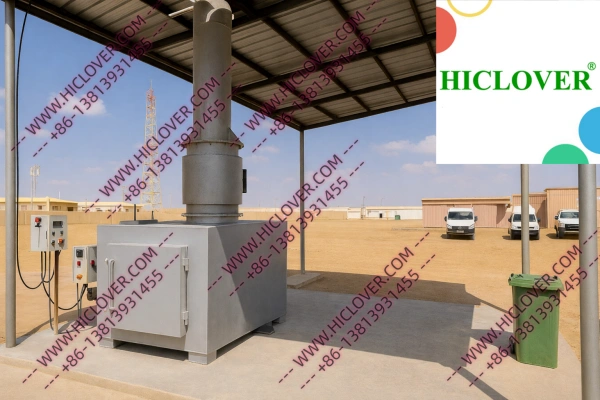
A1: HICLOVER waste incinerators adhere to rigorous industrial standards that ensure reliable combustion and strict regulatory compliance. From the outset, these systems are engineered with **containerized incinerator operation** principles that are complemented by **medical incinerator operating temperature standards** to meet both safety and operational demands. Engineered for a broad temperature range, these incinerators maintain high thermal retention necessary for the complete oxidation of waste material, thereby minimizing pollutant emissions. Detailed engineering specifications include dual combustion chambers for primary and secondary oxidation, which not only enhance combustion efficiency but also contribute significantly to carbon emission reduction pressure and ESG compliance in industrial waste management.
Engineering factors such as thermal stability, precise fuel combustion management, and integration of high-temperature sensors are pivotal. The design also meets strict guidelines referenced by global regulatory bodies like the WHO and EU emission frameworks, ensuring the safe disposal of hazardous waste. Structural components are designed to withstand extreme conditions, certifying that the incinerators are not only robust but consistent in performance. These standards play a critical role, particularly when addressing escalating global infectious disease preparedness and crisis zones & humanitarian camps where dependable waste management is paramount.
Q2: How does HICLOVER ensure compliance with global emission regulations and advanced combustion principles?
A2: HICLOVER utilizes a systematic approach to ensure its incineration systems fully comply with stringent global emission regulations and advanced combustion principles. The waste incinerators incorporate a dual-chamber design, where the first chamber initiates combustion and the second chamber ensures further oxidation, reducing the risk of residual toxins. This process is tightly managed by a PLC automation system, which monitors key parameters such as temperature, oxygen levels, and fuel consumption. These measures are in line with recognized international frameworks, including WHO guidelines and EU emission directives, ensuring that the incineration process operates within safe thermal operating margins.
Furthermore, the engineering design factors in both dry and wet scrubber options, allowing for adaptable exhaust purification that addresses diverse emission challenges. The integrated high-temperature retention in the combustion chamber is critical to meeting both industrial requirements and environmental mandates. For additional technical specifications or detailed system reviews, more information is available on the HICLOVER site at https://www.hiclover.com/. This comprehensive design strategy not only reinforces compliance with environmental regulations but also supports sustainable operational practices in sectors where decentralized waste management is becoming essential, particularly in remote mining or oil camps.
Q3: What are the advantages of HICLOVER’s incineration plant design for remote and crisis zone applications?
A3: HICLOVER’s incineration plant design is structured to offer a robust and adaptable solution for remote operations and crisis management contexts, including humanitarian camps and global infectious disease preparedness environments. The modular, containerized systems allow for rapid deployment and minimal on-site setup, which