Archive: August 19, 2025

Incineración de residuos biológicos Hiclover

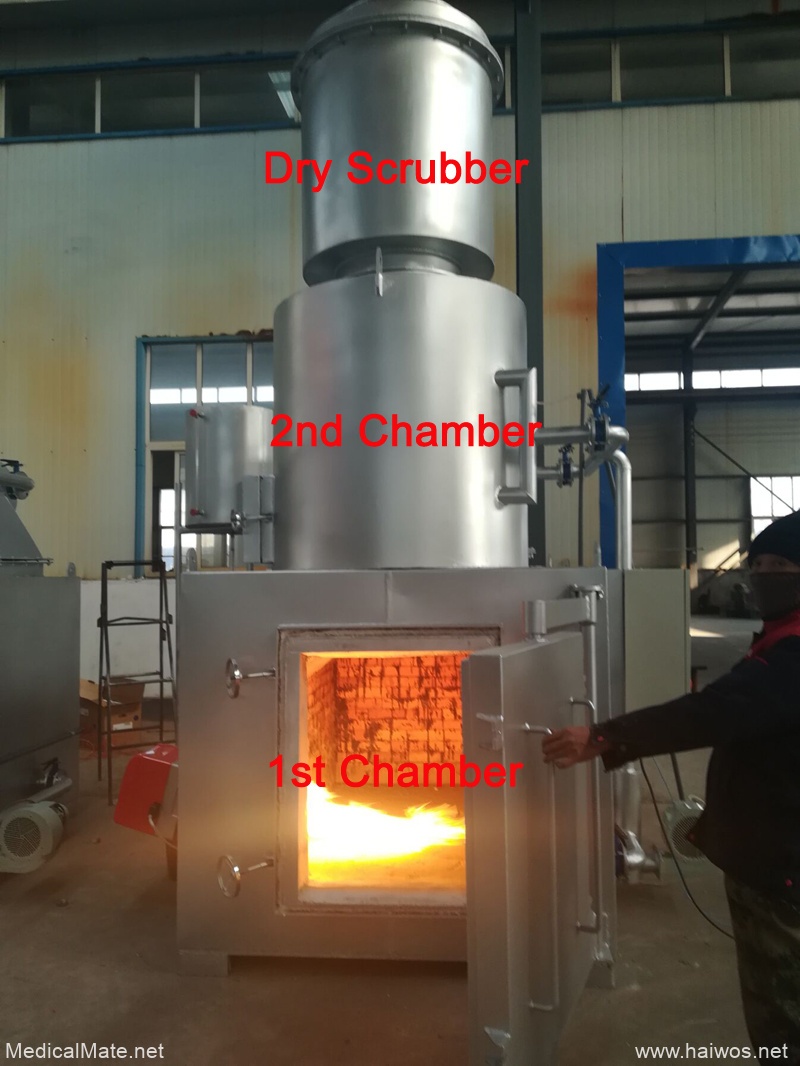
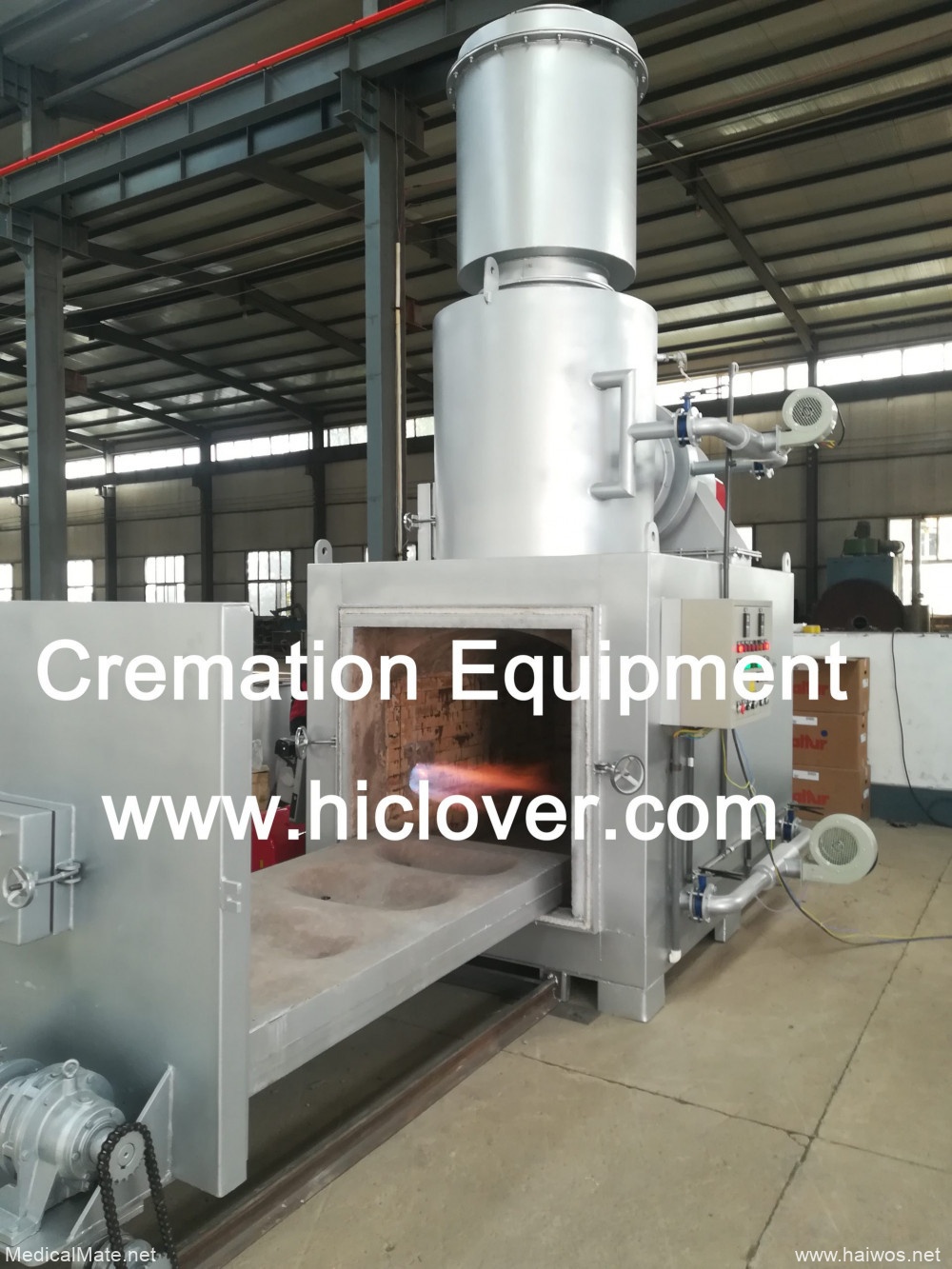
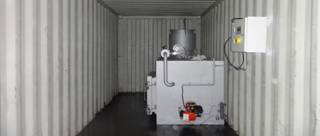
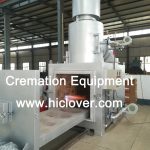
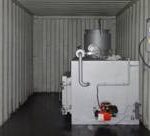
HICLOVER ahora ofrece una gama completa de sistemas de incineración en contenedores, lo que nos coloca a la vanguardia de las últimas tendencias industriales y de transporte. La contenerización permite la gestión inmediata de residuos, ya que las unidades están preensambladas y preinstaladas.
La contenedorización es la opción más factible y viable en contraste con la construcción de instalaciones y estructuras de vivienda en el sitio, eliminando la mano de obra y los costos involucrados. El sistema tiene el beneficio adicional de la movilidad total (tanto local como internacional) y es ideal para campamentos militares y civiles y ubicaciones remotas donde la infraestructura es escasa.

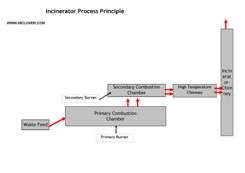
※ Calidad principal: – – – – – Cámara de combustión dual – – Quemador italiano dual – – Costo de combustión: 10-100 kg por hora–– – – Cámara de combustión: 0.1M3-1.2 M3— – – – Incinerador móvil, contenedores de entrega de requisitos, Fácil de mover / sistema de transporte— – – – Entrega gratuita, Calentador preinstalado, Adecuado para campamentos— – – – Saneamiento con luz ultravioleta en el interior

Artículos / Modelo TS10 (PLC) TS20 (PLC) TS30 (PLC) TS50 (PLC) TS100 (PLC)
Tasa de quema (promedio) 10 kg / hora 20 kg / hora 30 kg / hora 50 kg / hora 100 kg / hora
Capacidad de alimentación (promedio) 20 kg 40 kg 60kg 100 kg 200 kilogramos
Modo de control SOCIEDAD ANÓNIMA SOCIEDAD ANÓNIMA SOCIEDAD ANÓNIMA SOCIEDAD ANÓNIMA SOCIEDAD ANÓNIMA
Cámara de combustión 100L 210L 330L 560L 1200L
Dimensiones internas Los 50x50x40cm Los 65x65x50cm Los 75x75x60cm El 100x80x70cm El 120x100x100cm
Cámara secundaria 50L 110L 180L 280L 600L
Cámara de filtro de humo
Modo de alimentación Manual Manual Manual Manual Manual
Voltaje 220 V 220 V 220 V 220 V 220 V
Energía 0,5 Kw 0,5 Kw 0,5 Kw 0,7 kilovatios 0,7 kilovatios
Consumo de aceite (kg / hora) 5,4-12,6 7,8–16,3 10.2-20 12.1-24 14-28
Consumo de gas (m3 / hora) 6.2-11.4 8-15,7 9,8-20 9,9-26,1 10–32,2
Monitor de temperatura
Protección de temperatura
Tanque de aceite 100L 100L 100L 100L 200L
Puerta de alimentación Los 30x30cm Los 45x40cm Los 55x50cm Los 70x55cm Los 80x60cm
Chimenea 3 metros 3 metros 5 metros 5 metros 10 metros
Tipo de chimenea Acero inoxidable Acero inoxidable Acero inoxidable Acero inoxidable Acero inoxidable
1er. Temperatura de la cámara 800 –1000 800 –1000 800 –1000 800 –1000 800 –1000
2do. Temperatura de la cámara 1000 -1200 1000 -1200 1000 -1200 1000 -1200 1000 -1200
Tiempo de residencia 2,0 seg. 2,0 seg. 2,0 seg. 2,0 seg. 2,0 seg.
Peso bruto 1500 kg 2200 kg 3000 kg 4500kg 6000 kg
Dimensiones externas El 140x90x120cm El 160x110x130cm El 175x120x140cm Los 230x130x155cm Los 260x150x180cm
Equipo Incinerador de residuos médicos infecciosos de doble cámara Capacidad 10-30 kg por hora Características de los residuos
Principalmente jeringas y agujas de la rutina de inmunización y las actividades de campaña. Sin embargo, se consideran las siguientes características medias *:
poder calorífico superior a 2000 kcal / kg (8370 kJ / kg); contenido de materia combustible superior al 60%; contenido de sólidos no combustibles por debajo del 5%; contenido de
finos no combustibles por debajo del 20%; contenido de humedad por debajo del 30% en peso
Rendimiento de combustión: el incinerador de desechos médicos deberá ser capaz de reducir los desechos a cenizas que no excedan el 10% del combustible total.
cargos.
Instalación al aire libre. El incinerador de desechos médicos se instalará al aire libre. Todos los componentes del incinerador deben ser adecuados, pero no
limitado a la instalación en exteriores con sombra, incluidos los motores eléctricos, ser resistente a la corrosión, la humedad y los elementos climáticos relacionados.

Productos de edificación y edificación y construcción: El quemador ciertamente no tendrá ningún tipo de asbesto, productos que contengan asbesto, termostatos de mercurio ni interruptores de mercurio. Los productos refractarios tendrán la capacidad de cumplir con los estándares apropiados bajo ISO TC33 y también CEN / TC 187.

Tipos de incineradores apropiados: incinerador de aire controlado de doble cámara o quemador pirolítico de doble cámara


WWW.HICLOVER.COM | Incineradores de desechos | Filtros de aire de rollo automático

Nanjing Clover Medical Modern Technology Co., Ltd.

Tel: +86-25-8461 0201 Sitio: www.hiclover.com Correo electrónico: [correo electrónico protegido] Correo electrónico: [correo electrónico protegido]

Incinerator


Basic Info.

Model NO.:PLC Incinerator
Pullution Sources:Solid Waste Processing
Processing Methods:Combustion
Export Markets:Global

Additional Info.

Trademark:clover

Product Description

Nanjing Clover Medical Technology Co., Ltd. Is a leading waste incinerator manufacturer in China. We are local manufacturer and one of the largest exporter of China. Pyrolytic incinerator equipment technical is main waste treatment all of the world, for Medical Waste, Animal Incineration, Pet cremation and other Solid wste. The capacity from 10kgs/Hr. To 500kgs/Hr., up to 6ton per day. Presently, we supply saudi arabia manufacturer medical, secondary combustion chamber, secondary combustion chamber design, secondary combustion chamber in incinerators, setting up a pet incenerator, different series for local customer requirements and design updated incinerator with our leading technology. The updated design feature of our range of incinerators make them one of the most cost effective in the world. 

Key Features: 
* All models with Dual combustion chamber. 
* Stainless Steel chimney/stack, long lifetime. *according to order 
* High temperature, long lifetime of incinerator. 
* Free or minimum installation on site. 
* High burn rate, from 10kgs to 500kgs per hour, up to 6ton per day. 
* PLC Control Plane. *according to order 
* New Design for pet animal cremation business. 
* One year warranty on incinerator and parts in stock.

Items Specification
Model TS10(PLC) / TS20(PLC) / TS30(PLC) / TS50(PLC) / TS100(PLC)
Main Product List Double Combustion Chamber
Smoke Filter Chamber
PLC Mode Control Case
Stainless Steel Chimney
Italy oil/gas burner: 02 units
Oil Tank (if oil fuel)

инсинератор для икловеров 100-150 кг в час

Модель

Ярд-100

Картина

Скорость горения

100-150 кг / час

Первичная камера сгорания

2000 литров

Вторичная камера сгорания

500 литров

Режим подачи

Руководство по эксплуатации

Напряжение

220В / 380В

Мощность

2,5 кВт

Тип топлива

Дизельное топливо

Горелка

Италия Оригинал

Расход масла (дизельное топливо)

В среднем 28 кг /час

Потребление газа (природный газ)

***

Внутренние размеры

180x115x 98 см (первичная камера)

Внешние размеры

270x185x 280см (без дымохода)

Монитор температуры

да

Емкость масляного бака (для жидкого топлива)

200 литров

Открытие двери

55 х 80см

Длина дымохода

6.0 Метров

Тип дымохода

Стали

Вес брутто оборудования

9000 кг

Технические характеристики эксплуатации

Температура первичной камеры

800 -1000

Температура вторичной камеры

1000 -1200

Время проживания

2.0 сек.

Эффективность горения

98%

Отходы с более низкой теплотворной способностью

3500 ккал


HICLOVER – Медицинское окружение  

Установки для сжигания отходов
Установка для сжигания медицинских отходов
Кремация домашних животных
Твердые отходы   Мусоросжигатель

Телефон: + 86-25-8461 0201
Мобильный: + 86-13813931455 (WhatsApp / WeChat)
Сайт: www.hiclover.com
Электронная почта: [электронная почта защищена]
Наньцзин Клевер Медицинские Технологии Лтд.

2020-03-22

dual chamber incinerator

Waste calorific value: 4000KCAL/KG
Wetness Web content: 10-25%.
Nominal Capability: 50Kg/Hour batch load.
Secondary Chamber: 2 Secs @ 850degrees C.
The main combustion chamber should ensure minimal departure temperature level is not less than 850 degrees C.

INSULATION.
Calcium Silicate.
Restricting Continuous service restriction 1000 degrees C.
Thickness 25mm

THROUGHPUT.
50kg/hour at a small calorific worth of 4,000 kcal/kg as well as an average bulk thickness of 120kg/MCubed for basic waste and 160kg/MCubed for healthcare waste.All sorts of chemicals compounds (Biocides) that made use of for Oil procedure sites (water base Drilling, oil operating facilities for the corrosion and also others: The instances of the biocides are “WS-36, HAI-85M, SOFT DRINK ASH, DSMA, MICRO MATRIX, CALCIUM CARBONATE PENALTY, BARAKLEAN, GILSONITE, MIXED WASTE DIRT CHEMICALS, ZINC CARBONATE, CAUSTIC SOFT DRINK, ENVIROTHIN, BARAZAN D,. etc) as well as the materials are fluid and strong.

2. In regards to the amount of shedding the waste, maybe 200 – – 500 kg per hr.

3. Our Operational time can be in Day as well as can be at night.

4. Can you please provide me the expense of device operated with Diesel and Gas.The primary combustion chamber is the major structure of the burner, produced from light steel plate and stiffened with rolled steel sections. It is carried from the floor level on a significant steel support structure. Internally the covering is lined with calcium silicate insulation and also a warm face combination of incredibly duty brickwork or high strength castable.
The key burning chamber should make sure minimum departure temperature level is not much less than 850 ° C
. One Hands-on Lots Incinerator making up:.
·???????? Guidebook Loading door.
·???????? Horizontal strong fireplace, refractory lined main combustion chamber. Approximate dimensions 800 mm sizes x 2100mm long.
·???????? Complete sized bulk load/ash elimination door.
·???????? 1 off diesel-fired ignition heater– temperature managed.
·???????? 1 off burning air supply follower as well as distribution system, automated control.
·???????? High capability additional burning chamber with residence time not much less than 2 secs @ >> 850 ° C. ·???????? 1 off diesel-fired afterburner– temperature managed.
·???????? Control panel– automated operation.
e????? Temperature indicator key and also secondary chambers 0-1200 ° C.
e????? Refractory lined flanged smokeshaft to a height of 10M over ground degree

Инсинератор для управления больничными отходами

Инсинератор для утилизации медицинских отходов со следующими характеристиками:

• При высоких температурах (двухкамерный пиролитический инсинератор с температурой от 950 ºC до 1320 ºC;

• Способность к разрушению от 400 до 600кг в час;

• Способен уничтожать микроорганизмы;

• Слить золу;

• Сливная игла и дробилка для стекла;

• Крыльцо с водопроводной водой для мытья рук и обеззараживания;

• Соблюдайте требования стандартов качества окружающей среды, плавности выбросов и регулирования в отношении отходов; установите большой мусоросжигательный завод в одной из крупнейших ветеринарных больниц в КСА, чтобы, если вы поддержите нас одним устройством (большой мусоросжигательный завод) и экологическим обучением, Емкость установки составляет 2000 кг для крупного рогатого скота, лошадей и сельскохозяйственных животных, также подходит для всех видов отходов животноводства, нам нужно, чтобы она работала на дизельном топливе. OES-Industrial MultiWaste Incinerator System (твердые / жидкие)

Объем работ:
Проектирование, монтаж и ввод в эксплуатацию многоцелевого мусоросжигательного завода.
 Производительность: 315 КГ / ЧАС ТВЕРДЫХ ОТХОДОВ / ИЛИ 200 ЛИТРОВ / ЧАС ЖИДКИХ ОТХОДОВ (с двухкамерной системой)
 1-я камера-870 градусов Цельсия – 900 градусов Цельсия
 2-я камера-1000 град. С – 1200 град.

Источники отходов
Следующие виды отходов можно обрабатывать с помощью мусоросжигательной установки.
а). биомедицинские отходы / фармацевтические отходы
б). твердые химические отходы / отходы текстильной промышленности
в). жидкие химические отходы
г). красители и промежуточные отходы
д). органические химические отходы
е). жидкие отходы чернил / кислотные остатки
грамм). инсектициды / гербициды / пестициды
час). фунгицидные отходы
я). этаноламин
j). аминоэтанол
л). моноэтаноламин
л). ETA, отходы MEA
м). отходы после обработки химикатами на заводе ЭТП.
п). смешанные щелочные сточные воды
о). алкогольные отходы.
п). жидкие химические отходы сельского хозяйства.
q). жидкая смесь ила
р). шлам / клей / жир / отходы порошкового покрытия.
с). полутвердые жидкие химические отходы
т). насыпные сухие химические отходы.
u). фармацевтические химические отходы.
v). химикаты-растворители / отходы краски / использованные стеклянные шарики
ш). использованные шины.
Икс). использованные хлопковые тряпки
у). загрязненные отходы пластмасс / смол.
Объем работ:
 Сжигайте все типы жидких / твердых опасных / химических / неопасных отходов, имеющихся в промышленности, с помощью надлежащей системы очистки со стандартными уровнями выбросов.
Двухступенчатая установка для сжигания отходов помогает сжигать отходы в два этапа, сначала при средней температуре 870-900 ° C, а на второй – при 1200 ° C.
Производство золы и газообразных паров, которые обрабатываются мокрым скруббером циклонного типа и щелочным скруббером для получения воздуха с загрязнителями в допустимом диапазоне и неопасной золой, в основном неорганическими солями.

Утилиты мусоросжигательного завода
Инсинератор должен соответствовать следующим критериям:
Металлическая конструкция уплотнения с керамической изоляцией для предотвращения теплового излучения и контроля температуры излучения
Усовершенствованная система очистки газа от выброса токсичных газов (система очистки).
Компактная автоматическая система сжигания с низким энергопотреблением и высокой эффективностью.
Низкие эксплуатационные расходы и затраты на техническое обслуживание
Полностью автоматическая и простая в эксплуатации панель управления
Предварительный нагрев форсажной камеры
 Футеровка из плотного огнеупорного бетона, рассчитанная на температуру 1600 C
Твердый очаг, обеспечивающий максимальное выгорание
Большая верхняя открывающаяся крышка для удобной загрузки
Широкая дверца для золоудаления
Дополнительный корпус из нержавеющей стали
Опция рекуперации тепла

fabricantes de incineradores de msw

tipo estándar, 11 m de largo, autoportante

Capacidad-220kgs / hr

residuos hospitalarios

humedad promedio-15-20% en el primer tiempo

DIMENSIONES

altura: 2710mm

longitud: 2840mm

Ancho; 2450 mm

Apertura de la puerta de carga: 610 mm x 610 mm

Área de rejilla / Heath: 2.0 (metros cuadrados)

Volumen de la cámara primaria: 2,4 (metros cúbicos)

volumen de la cámara secundaria: 2,72 (metros cúbicos0

volumen total: 5,12 (metros cúbicos)

diámetro mínimo de la pila: 560 mm

  1. Incinerador de residuos sanitarios de 300 kg por día

Nuestra tecnología preferida es la incineración de doble cámara, pero si recomienda una tecnología alternativa, es

aceptable también.

Solicitamos información sobre lo siguiente para cada uno de los requisitos anteriores:

  1. Costo de capital (costo de entrega en Omán)
  1. Costos de operación y mantenimiento (por año)
  1. Número de operadores necesarios
  1. Especificaciones del producto (tamaños, temperaturas, tiempo de residencia, tiempo de ciclo, etc.)
  1. Otro equipo auxiliar que requiera o recomiende
  1. Cualquier otra información e insumos que puedan facilitar el proyecto y agregar valor.
  1. ¿Significaría esto que la planta funcionaría solo 12 horas al día? Operando normalmente la estación las 24 horas

por día debe poder valorizar 12 toneladas por día para una instalación con una capacidad de 500 kg / h.

nanjing clover incinerator price

Huge incinerators – – INDUSTRIAL INCINERATORS – – specs below.

2.) Dimension need for the burners is 750 — — 850 kg capability

3.) The bum rate need to be 80 LL 100 kg/ hour.

4) The key chamber shouId have an operating temperature level of 900 -1200 degree C.

5) The incinerator must despise a high temperature second chamber as well as 2 second gas
retention time at 850- 1150 degree C so that it appropriates for high threat materials.

6). The incinerator must have temperature level monitoring and thermostat control for ease of
operation and also guarantee of bottom temperature to validate right procedure.

7). The burner should be capable of shedding any of the hazardous wastes listed in the
subsequent area.

8) The burner should can burning diesel oil and also need to consist of a bigger gas
tank (10-500 litres) and also generator (3 –– 40 kV )established that can be carried on the trailer with the
incinerator to make sure that the device needs no exterior electrical power supply.

9.) The burner needs to be trailer mounted so that it is a po

Contaminated materials to be Incinerated

Unsafe strong chemical:

Different types of combustible solids, made use of textiles, oil, as well as toner cartridges, chemicals
for water purification and photo consumables and plastic product, vacant
plastic/metal cans that still contain remnant unsafe material, oil absorbing.

Harmful liquid chemical:

Generally various kinds. of Acid, Paint, Varnish, Acetone, White Spirit Aromatic-less
Solvents, Artificial Liquid for Break Solutions, Aircraft De-icing Fluid, Hydraulic as well as
Compressor oil, Freon, made use of in some older refrigeration systems, Pesticide liquid/spray, air
freshen spray and various other similar chemicals.

Polluted gas:
Mostly diesel or gasoline infected by water or solvents.

Used and/or Infected oil:

Made use of electric motor oils and/or mineral oils unfit for their originally meant use. Primarily electric motor
and also transmission oil (roughly 80%) polluted by a mix of white spirit and also acetone (about 51%), hydraulic fluid (about 5%).

Infected water:

Waste oilshvater, leaches, hydrocarbons/water blends, solutions and also leachate.

Polluted soil:

Soil contaminated by oil, gas or 11 chemicals.
Contaminated soil polluted by chemicals that needs to be reused in land fill.
Polluted dirt—— treated and replaced on website.

Oil Contaminated Solids
Rags, Absorbents, Cardboard, oil and also fuel filters, air filters are rule out as harmful materials.

Electronic waste:

Waste electric or digital home appliances or settings up, including printed circuit card,
containing toxic material and/or heavy metal and/or emitting low radiation.

Utilized battery cells:

Dry battery, UPS battery or other types, unsorted waste batteries/ battery cells, having
products that are hazardouy.

Utilized lead-acid batteries:
Waste lead-acid batteries, rained/un-drained, and entire or smashed.

Harmful clinical waste:

Professional and related waste, arising from clinical, nursing or similar techniques and also waste
generated in facilities throughout the investigation or therapy of individuals (bio danger).

Ran out medications, strong:

Waste drugs, drugs and also medications, consisting of delicate medicines.

Ended drugs Iiquid:

Waste liquid pharmaceuticals, various type fluid chemicals for therapy, medical
grease, as well as paraffin based xpired medicines.

Ran out and/or infected fod:

Spoiled fresh food or unusable MRE’s (Meal Ready for Consume – – dry food)

Onsite Training and also Assem Option for Industrial Incinerators

I. The prospective buyers ought to includ 1a rate in their deal for training in a central location (Goma or
Bukavu) approximately 15 personnel in the operation and upkeep of the
devices.

Smart Ash Incinerators

1. Size requirement for the burners is that the device collaborates with a 55 gallon open finished
steel drum.
2. The system should operate wit. no gas and also use just 120V or 220V electrical energy for the blowers.
3. The system needs to can melting oil polluted wastes and also medical wastes with a dampness material of 0-15% J.
4. Each device ought to include two steel drums, to ensure that a spare drum is available.

Spare Components Choice.
If there are any type of supplier suggested spare components, that list as well as cost ought to be consisted of as a choice in the deal.

Мобильное кремационное оборудование

Модель

CA-200

Картина

Скорость горения

В среднем 100 кг / час

Первичная камера сгорания

2000 литров

Дымоход вторичного сгорания

да

Режим подачи

Руководство по эксплуатации

Напряжение

220В

Мощность

3,0 кВт

Тип топлива

Дизельное топливо

Горелка

Италия Оригинал

Расход масла (дизельное топливо)

В среднем 53 кг /час

Внутренние размеры

230 х 100 х 90см (первичная камера)

Внешние размеры

290 х 200 х 170см (первичная камера)

Монитор температуры

да

Емкость масляного бака (для жидкого топлива)

500 литров

Открытие двери

90 х 90см

Длина дымохода

5.0 Метров

Тип дымохода

Нержавеющая сталь

Вес брутто оборудования

9000 кг (с контейнером)

Технические характеристики эксплуатации

Температура в основной камере

800 –1000

Температура вторичной камеры

1000 -1200

Время проживания

2.0 сек.

Эффективность горения

98%

Отходы с более низкой теплотворной способностью

3000 ккал


Мобильный крематорий
HICLOVER – Медицинское окружение  

Установки для сжигания отходов
Установка для сжигания медицинских отходов
Кремация домашних животных
Твердые отходы   Мусоросжигатель

Телефон: + 86-25-8461 0201
Мобильный: + 86-13813931455 (WhatsApp / WeChat)
Сайт: www.hiclover.com
Электронная почта: [электронная почта защищена]
Наньцзин Клевер Медицинские Технологии Лтд.

2020-03-22

Mine Spews Toxic Fumes: NWT Air Regulations Not in Place


Snap Lake Mine, 220 kilometres northeast of Yellowknife, where elevated levels of dioxins and furans were pumped into the air. | Photo Fire Prevention Services

Last July, two incinerators at De Beers’ Snap Lake Mine were belching out clouds of black smoke, one sending an average of 65 times the accepted national limit of cancer-causing toxins into the air.

The hugely elevated levels of dioxins and furans — released when plastic is burned or garbage is not fully incinerated — were recorded during a four-day “stack test.” According to the World Health Organization, “dioxins are highly toxic and can cause reproductive and developmental problems, damage the immune system, interfere with hormones and also cause cancer.” The Canada-Wide Standards recommends emission levels for dioxins and furans not exceed 80 picograms per cubic metre. The company contracted to do the testing at Snap Lake found that one of the mine’s incinerators was emitting 6.5 times the acceptable limit, while the other incinerator was emitting a whopping 65 times the acceptable limit (5,220 picograms per cubic metre on average, as

emission


It’s unclear how long this was going on for, though the report noted the problem was clearly visible: “Black opaque smoke was noted for all tests early in the incineration cycle.”

De Beers did not respond to EDGE’s request for an interview by the time of publication. However, according to a letter from De Beers’ Environment and Permitting Superintendent, Alexandra Hood, sent to the GNWT and Environment Canada in January, the root cause of the problem was “not following standardized work practices,” and running the incinerators, which were only installed in 2013, at too low a temperature.

Since flunking the test, De Beers has retrained staff, rewritten operating procedures and brought in new policy to shut down the incinerators if they’re not meeting the correct temperatures (if it’s safe to do so), according to Hood’s letter. An inspection of the Snap Lake incinerators by a GNWT Lands Officer in March suggests De Beers has ameliorated the problem, at least in part: “No concerns were noted during this inspection,” it states, and “the west incinerator which was burning waste at the time of inspection was emitting clear exhaust gas with no black smoke coming from the stack.”

Whether or not sufficient steps have been taken, however, won’t be known for years: the next stack test is not scheduled until 2019, according to a source close to the issue wishing to remain anonymous.

No GNWT regulation

The fact that, for an undetermined period of time around July 2014, the Snap Lake incinerators were pumping out unacceptable levels of toxic emissions is troublesome in itself. But it points to a much larger problem in the territory; the GNWT does not regulate emissions, require companies to meet the CWS, or mandate stack testing. (The Mackenzie Valley Land and Water Board, likewise, does not regulate air emissions.)

At several points in her letter, Hood notes the lack of regulation, claiming De Beers “will conform with any regulatory requirements regarding incinerator stack testing once enabling legislation is developed and approved in the NWT.”

Without legislation in place, there is nothing to force De Beers or other groups using incinerators (i.e. every single mine in the territory), to keep their emissions at a safe level or undertake stack testing on a regular basis. Each mine has an Air Quality and Emissions Management Plan as part of its environmental agreement, but these plans only dictate reporting requirements, not actual emission targets. And while Hood claims “deficiencies, as measured against the Canada Wide Standards, will be managed through adaptive management and continuous improvement by De Beers,” there’s little government oversight of this “continuous improvement” and no fines or other mechanisms to force polluting companies to remedy their ways.

This problem has been going on for years. According to a Canadian Press report from 2011, the scientific journal Integrated Environmental Assessment and Management found sediments in a lake near the Ekati Mine that had levels of dioxins and furans 10 times higher than those collected from an uncontaminated lake. The same report cited a 2007 study commissioned by Environment Canada which suggested “extensive, uncontrolled burning of wastes could result in substantial accumulations of dioxins and furans in the local ecosystem, some of which will persist for some 8½ years at levels approaching those considered to be of toxicological concern.”

“In most cases we’re below the level that health agencies would (watch) for…” the study continues, “but we’re getting there. And if you have more incinerators and more burning, you may well exceed those levels.”

The GNWT’s Department of Environment and Natural resources did not return EDGE’s request for comment on the lack of regulation.

Why no regulation?

Back in 2001, the GNWT did sign on to the Canada-Wide Standards of dioxins and furans with all other provinces and territories (except Quebec) as part of a national Accord on Environmental Harmonization.

The document says: “Parties are required to take measures to reduce total releases from anthropogenic sources of dioxins, furans… with the goal of their continuing minimization and where feasible (technically and socio-economically), ultimate elimination.” However, it adds, “each jurisdiction will determine the exact means of ensuring compliance” – basically defanging the document by letting provinces and territories renege on their commitment with no repercussions.

Other jurisdictions have taken proactive steps, bringing in legislation to regulate emissions in line with the CWS. The GNWT has not. They did bring in guidelines for managing biomedical waste in 2005, but they have been unwilling to regulate incinerators at mine sites. Their reason? The “waste incinerators operating at remote industrial sites within the NWT… are located on federal crown land and are not regulated by the Government of the Northwest Territories,” says a report from 2009.

This may have been true in 2009, but post-devolution it’s no longer the case. Since April of last year, the mines are on land managed by the GNWT, yet there have been no moves from legislators to start regulating toxic emissions from mine or other industrial incinerators. The last time the issue was discussed in the legislative assembly in 2011, Weledeh MLA Bob Bromley said a “loophole in environmental rules is allowing a growing number of unregulated waste incinerators to release extremely toxic chemicals into the land and water.” He suggested, “when we take on new powers, we must be ready to move with new law.”

Devolution has come, and incinerators are still operating in an unregulated environment. With all the talk of fracking and opening up new mining projects in the territory, it’s now time, more than ever, for the GNWT to get its act together.


from: https://edgeyk.com/article/mine-spews-toxic-fumes-nwt-air-regulations-not-in-place/


hospital burner

Supply, setup and testing of clinical waste burner with a capability of 75 kg/ hr gas (LPG) total with all accessories and also as a result with the chimney based on the technical specs as well as conditions of public wellness
make a space for the incinerator that fit 3 incinerators as in thing 3.1.1 and affixed to the burner room waste store that suit waste for a period of seven days as well as all the buildings of enhanced concrete with preparingg burner building and also shop with all the work of wiring, electrical as well as illumination systems, water supply and also sanitation
supply incinerator building as well as the waste stockroom with a fire extinguish sprinkler system relies on the source of the water from network of teh basic site, along with a fire alarm system contains sensing units for warm, smoke and this system is linked with the medical facility emergency alarm systems
Supply, setup as well as screening of the air flow system of the incinerator room and also the stockroom with fans ROOF COVERING TOP EXHAUET FOLLOWERS offering them with filters with high performance (HEPA FILTER trip to draw fans with taking the air modification price of 5 times per hr with streams and also air required grilles
Supply, setup, testing different conditioning unit for waste database DUCTED SPLIT UNITES and capability enough to maintain the interior temperature level at 14 degrees Celsius in summertime and winter
Supply, installation, screening of the cooling shop of shielded premade wall surfaces inside the waste room with a capacity of 35 cubic meters to conserve the medical waste at a temperature of no Celsius till shedding including the cooling unit and all accessories
UNSAFE wood.
play timber.
petroleum residual waste.
hydraulic hose system.
calcium hydroxide bags.
bags or wooden boxes including cyanide.
medical waste.
filters.
pharmaceuticals.
NO HAZARDOUS sawdust.
plastic.
plastic and also textil awnings.
wood.
plastic bathtubs.
rubber.
hygienic waste.
EPPs.
plastic bags.
building and construction recurring.
infected dustcloths or towels.
plastic or packaging of food.
polyestirene dishes, glasses, spoon, fork, etc.Capacity incinerator clinical waste to high burning temperature level.
With a smokeless gadget to shield the setting as well as with two combustion chambers furnished with gas burners or oil.
– burner to shed large volume items of 70 cm.
discrepancy: Automatic Control System.
– destructive capability from 20 to 30 kgs.
First-room/ Temperature = 900 ° C combustion.
Second room/ Temperature level = 1200 ° c afterburner